When I started my adventure online, understanding how to handle disclaimers and external links became really important. Every website owner or content creator runs into these topics sooner or later. Whether you are launching your first blog or running a membership platform like Wealthy Affiliate, it pays to get how disclaimers and links work so you can protect yourself and your visitors.
It’s pretty normal for new online entrepreneurs to feel a bit lost about why disclaimers matter or how links can affect your site’s reputation. I’ll walk through what I know about this from years in the field, including practical examples and tips that have helped me out.
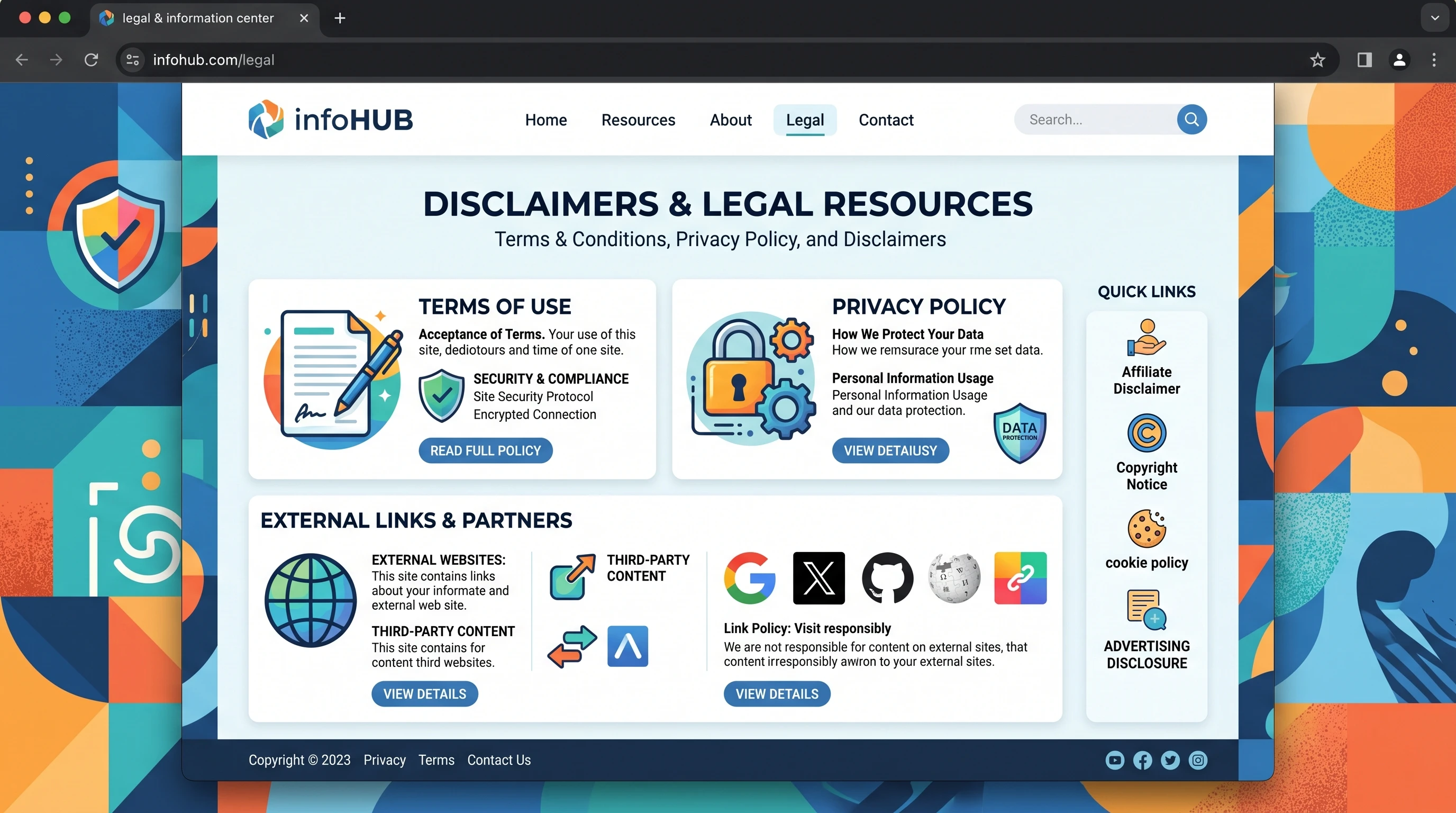
Topic: Disclaimer and Links – Easy Guide for Online Publishers
Main Website Example: WealthyAffiliate.com
Starter: Free
Premium: $49/month ($497/year)
Premium Plus+: $99/month ($697/year)
Community: Approaching 3 million members
Reputation: 4.8/5 on review sites
Support: 5/5 (my own experience)
Learning Materials: Updated regularly; always current
Hosting: Fast and reliable
Websites: Professional and secure
Free Starter Option: Yes, I recommend testing things first (no card needed)
I’ll show how clear disclaimers build trust and why properly labeled links add both value and safety for online visitors. Knowing this helps you set up your site in a way that is both welcoming and professional.
Why Disclaimers Matter for Online Membership Sites
If you’re new to managing a website, a disclaimer might seem like just another page to check off. I thought the same, until I realized how much of a difference it makes for both protecting my work and keeping my community informed.
A good disclaimer tells visitors what to expect when they visit your site. It sets the stage for transparency. On membership sites, where money might change hands or advice gets shared, this page is super important. For example, at Wealthy Affiliate, you’ll find clear statements on what is and isn’t being promised, along with information on earnings and results.
From my own experience, adding a plain language disclaimer to my site helped cut down on confusion. People knew exactly what I offered, and I noticed fewer questions and complaints after making things clear. A happy member base is a lasting one, so clarity does a lot of heavy lifting.
What Is a Disclaimer? Basic Breakdown
A disclaimer is a statement (usually on its own page) where you explain the limits of what your site offers. This includes things like:
- If advice or tips are just for information, not professional consultation
- Disclosure of affiliate relationships, if you make money from links or products mentioned
- Any risks involved in following recommendations, such as using particular tools or services
This clear upfront information gives you protection and helps your community feel informed and respected. Here’s a quick sample I have in my own terms:
“This site shares resources and advice based on my experience. I make every effort to verify facts, but I can’t guarantee results. Some links may be affiliate links, which means I may earn a commission if you buy through them. Always do your own research.”
This is clear enough to get the job done without scaring anyone away. On top of this, I always make it easy for my visitors to reach out if something seems unclear, so an open line of communication keeps everyone at ease.
The Legal Side – Why Disclaimers Aren’t Optional
Disclaimers do a lot more than just set expectations. They can help protect you from complaints or legal claims. For instance, if someone uses information from your site and something doesn’t go as planned, your disclaimer can show that you set reasonable expectations.
Laws and best practices around the world often require disclaimers in particular situations. The U.S. Federal Trade Commission (FTC) expects you to disclose affiliate relationships; European and Canadian privacy laws also want you to be upfront about how you treat information and links. Wherever you are, transparency is the rule of thumb.
When I first started, I skipped adding a proper disclaimer. That turned out to be a mistake, which made my site risky and left visitors in the dark. After getting advice from other experienced site owners, I realized it wasn’t worth the risk.
How Links Work: External, Internal, and Affiliate
Most websites, including Wealthy Affiliate, use a mix of links. Understanding how each type affects your content and the user experience is pretty important.
- External Links: Send people to another website (such as an official resource or recommended tool). These give your readers more information but also mean you are sending them off your own site.
- Internal Links: Point to another page within your site, like other guides, FAQs, or your disclaimer page. Internal links help people explore more and boost your search rankings.
- Affiliate Links: Special links that track if a visitor makes a purchase or signs up for something. If they do, you might earn a commission. These always require honest labeling, as per FTC and other guidelines.
When I started putting real care into using links the right way and explaining them, my site’s trust levels went up. Visitors thanked me for being open about which links might earn me a small reward, and I noticed people spent more time exploring my site through well-placed internal links. Good linking supports both user experience and credibility.
The Power of Being Upfront: Affiliate Disclosures
If you include affiliate links in your content, you need a disclosure. This lets your readers know you might benefit from their actions, and that honesty makes a real difference.
On Wealthy Affiliate, all affiliate links are clearly identified. As an example, here’s language I use on mine:
“Some of the links on this page are affiliate links. If you choose to purchase or sign up after clicking, I may receive a commission, at no extra cost to you. I only recommend products or services I believe in.”
When I added clear affiliate disclosure notices, visitors messaged me that they appreciated knowing exactly what was going on. This kind of trust-building is good for both reputation and business over the long run. In fact, honest disclosures tend to boost engagement and word-of-mouth promotion in many communities.
Why Proper Linking Improves SEO and Trust
Internal and external links both help your site. Here’s how:
- Internal links keep visitors on your site longer, which often leads to better search engine rankings and more opportunities to share your best advice.
- External links, when chosen carefully, make your site a source of quality information, especially when linking to reputable sites (such as .gov, .edu, or trusted industry sources).
- Affiliate links, when clearly disclosed, offer real value and can be a way to earn income, but only if your audience trusts you to be upfront.
Early on, I treated links as just a way to drive clicks. Now, I see them as a bridge to learning, connections, and, sometimes, income. Thoughtful linking is part of every article and guide I write. It’s made my work more respected and easier for people to share. Over time, thoughtful linking also makes your site easier to maintain and scale.
How Disclaimers and Links Come Together on Membership Sites
Platforms like Wealthy Affiliate pull all these threads together. Here’s what I see as common best practices from helping with and exploring sites like these:
- Dedicated Disclaimer Page: Every site, especially those with sign-ups or paid options, should have a clear page explaining what to expect, any risks, and details of affiliate relationships. Link to this page in your header, footer, and near sign-up forms.
- Contextual Affiliate Disclosure: Place small notices next to affiliate links, especially the first time they appear in a guide or blog. This can be as simple as: “(affiliate link)” or a hover tooltip.
- Sensible Use of Internal and External Links: Make it easy for people to compare plans, see related guides, or check references. Don’t clutter content with too many links, but do use them to add value.
- Privacy and Terms of Service Links: These often appear alongside disclaimers, especially if you collect any information or let people comment or join.
From my experience running online courses and member areas, the best responses always come from being totally clear up front. Members trust you more, stick around longer, and are more likely to share your content with others. It also helps cut down support requests and keeps member engagement high.
What to Include in Your Disclaimer (with Examples)
If you want to write a solid disclaimer, here are the main topics I always include:
- General information: Outline that your website is for informational purposes
- Accuracy disclaimer: State that you try to keep everything accurate but can’t guarantee it
- Professional advice: Let people know content isn’t a substitute for legal, financial, health, or other professional advice
- Affiliate disclosure: If you have affiliate links, state how they work
- External links: Mention that you’re not responsible for the content of external sites you link to
- User responsibility: Encourage users to double-check with another source and use their own judgment
Here’s a sample I often use:
“All content on this site is based on my personal understanding and research. It’s intended for general informational purposes only. I can’t guarantee the accuracy or completeness of any content. Some articles include links to external resources; these are provided for your convenience but I can’t control their content or privacy practices. I sometimes include affiliate links, which means I may earn a commission if you take action. Always verify information and consult a professional when making important decisions.”
Add to this a personal touch at the end, such as: “If you ever have any questions about these policies, feel free to reach out—I’m always happy to clarify.”
Types of Links: Practical Advice for Each Kind
When building my guides, I set out a few rules for handling each type of link:
- Internal Links: Keep navigation easy. I link related guides, FAQs, or the next step in a tutorial so newcomers can keep learning smoothly.
- External Links: Only link to trustworthy, up-to-date sources. I test each site before linking and check that none of the content is misleading or unsafe.
- Affiliate Links: Always label them. I include affiliate info above or below the link and only use them for products or services I believe are helpful.
Sometimes, I also use tooltips or mouseover text so that when a visitor hovers over a link, they get an extra hint (like: “Takes you to an external site”). This is a handy way to keep things clear without cluttering up the content.
Examples from Wealthy Affiliate: How They Handle Disclaimers and Links
Wealthy Affiliate is a well established membership site, so you’ll find good examples of clear disclaimers and transparent linking. When I signed up, I was greeted by:
- A link to the privacy policy, terms of use, and disclaimer right at the bottom of every page
- Clear affiliate disclosure statements whenever products, external sites, or tools are mentioned
- Helpful internal links to training, support, and resources that made learning smooth and easy
This isn’t just about boxes to check. It’s how they build trust and keep the community strong. I’ve learned a lot from studying how they organize these elements, and I’ve used similar strategies in my own projects.
Maintaining Your Disclaimers and Links Over Time
Just adding a disclaimer or setting up links one time isn’t the whole story. The online world changes fast, and it’s easy for links to break or for legal rules around disclosures to switch up. Here’s how I stay on top of this:
- Set a reminder to review disclaimers and disclosures every six months. I double check that what I’m saying matches what I offer and sell.
- Run regular link checks (at least monthly) to catch broken links or update anything outdated.
- Keep up with local laws or changes from groups like the FTC. If I update or add affiliate programs, I double check that my language is still clear and correct.
This approach keeps my site more professional and avoids surprises down the road, for both me and my visitors.
Common Questions I Get About Disclaimers and Links
- Do I really need a disclaimer if I’m just sharing tips?
Yes, even if your advice seems harmless, a disclaimer tells readers they make their own decisions. It’s also a legal safeguard for you. - Can I just copy another site’s disclaimer?
I used to think so, but every business is different. It’s better to write your own based on your unique site, or use a template and edit it to fit. Some legal sites or platforms offer boilerplate text, but always personalize and update it for your needs. - Will people trust me less if I share affiliate links?
Actually the opposite is often true! When you’re upfront, most readers appreciate the honesty. The key is to always recommend things you genuinely use or believe in. - What if a link breaks or an external site changes?
This happens to everyone. That’s why regular link checking is useful. If a user reports a broken or misleading link, I thank them and update the page right away.
Disclaimers and Links: Practical Checklist
If you want to get started or double check your own site, here’s a quick list I follow:
- Add a clear, easy-to-find disclaimer page
- Include affiliate and external link disclosures next to the first use of those links
- Review all links before publishing an article or guide
- Use internal links to help people find more info easily
- Test links regularly and update as needed
- Make sure your disclaimer covers the type of site you run, including membership features if you have them
I keep this list taped to my desk. It helps keep my site safe, respectful, and useful for everyone who visits.
How Disclaimers and Links Tie In with Other Legal Pages
It’s common to see disclaimer, privacy, and terms of service pages grouped together. Here’s how I handle it:
- Disclaimers: Cover the limits of advice, results, and external or affiliate links
- Privacy Policies: Explain how data is collected and used (names, email addresses, cookies, etc.)
- Terms of Service: Set ground rules for using the site, joining communities, or accessing paid features
On my own websites, I add these links to my header or footer so people can find them any time. If you offer membership options, an extra check during sign-up helps make sure new members are aware before moving forward.
Benefits of Good Disclaimers and Linking for Your Business
- Trust: Visitors are more likely to come back and recommend your site when they feel respected and informed.
- Legal Safety: Upfront wording and clear disclosures reduce your risk of misunderstandings or complaints.
- SEO Boost: Clean link structures (using both internal and external references) help search engines, which can mean more visitors.
- Better Community: For platforms like Wealthy Affiliate, clear rules and open linking keep the community positive and helpful.
My sites have grown mostly because people felt comfortable asking questions and sharing their experience. Transparent disclaimers and linking played a big part in that.
Bigger Picture: Disclaimers, Links, and Membership Growth
When you have good disclaimers and clear linking, you set your membership site up for easier growth. For example, when I switched up my own course platform to use clear affiliate labeling and a more readable disclaimer, sign-ups improved and member satisfaction went up.
Some things I noticed include:
- People spent more time learning (because they could move easily to related content)
- Questions about affiliate relationships or guarantees went down (because info was clear up front)
- My helpdesk tickets dropped, since members knew which links took them away from the site or included third party offers
It’s a simple win-win; clearer communication means happier members and less stress for you as the owner. Over time, this adds up to a healthier, more vibrant community.
Getting Started with Disclaimers and Links for Membership Platforms
If you’re thinking of starting a new online community or course platform, aim to sort out these two elements before launching:
- Draft Your Disclaimer: Use one of the examples above as a starting point, but be specific to your site, services, and location
- Map Internal Links: Before adding lots of content, decide which pages are most important (FAQs, course lists, contact, help) and connect them thoughtfully
- Set Up Affiliate and External Link Policies: If you’ll recommend products, draft a simple statement to add near those links
- Keep Everything Easy to Find: Disclaimers, privacy, and link info should be in your main menu, your site footer, and even in onboarding emails for new members
I’ve done launches both ways—waiting until later and handling it up front. Doing it up front is way easier, and sets a better tone for your whole community.
Recommended Tools and Resources for Handling Disclaimers and Links
There are a few tools I regularly use that make this work smoother:
- Wealthy Affiliate for examples on member onboarding and linking structure
- WordPress plugins like “WP External Links” or “Pretty Links” to help label affiliate and external links automatically
- Legal template sites (such as TermsFeed or FreePrivacyPolicy) for customizable disclaimers and privacy policies
- Google Search Console or plugins like “Broken Link Checker” to keep your links up to date
Choosing the right combination will depend on your site platform and content style. I’ve used all of these at different times and found each has its strengths for various sites and audiences.
How to Make Disclaimers Friendlier
It’s easy for disclaimers to sound formal or intimidating. Over time, I learned that a more straightforward, welcoming tone works better. Here’s what I use:
- Simple headlines: “About our advice and links” instead of “Legal Disclaimer of Liability”
- Break statements into short, readable paragraphs
- Add bullet points for key info (affiliate relationships, external links, general limitations)
- Include a closing sentence that encourages visitors to contact you with questions
I often test new disclaimer wording with friends or community members to make sure it reads easily and matches the rest of my site. Feedback has always led to a more helpful and accessible style, even for sensitive topics.
The Wealthy Affiliate Example: Bringing Everything Under One Roof
Wealthy Affiliate makes all these ideas practical by putting disclaimers, affiliate disclosures, and linking guidelines in one location. That means new members or visitors never have to look far for these details. As a member, I found this reduced questions and created a straightforward environment for learning and growing online.
If you’re aiming to build a membership site or online course, using clear navigation, up-to-date legal pages, and open communication about links, and adopting a similar allinone approach, makes a big difference. It’s what helped Wealthy Affiliate keep almost 3 million members learning together peacefully. I take the same lessons into every project I launch now.
Practical Tips for Disclaimers and Links as Your Site Grows
- Update as you expand: If you add new services, tools, or partner programs, give your disclaimer a fresh look
- Encourage feedback: Add a note at the bottom of your disclaimer page asking visitors to reach out with questions or suggestions
- Use analytics: Pay attention to which links get the most clicks (internal, external, affiliate) so you can build more helpful journeys through your content
- Keep things friendly but thorough: I always write like I’m talking to a neighbor, but make sure every point required by law or good practice is there
This ongoing effort keeps my sites running well and ensures every visitor knows exactly where they stand. A proactive approach also helps fend off confusion as your site evolves.
Summing Up: The Core of Disclaimers and Links
Before wrapping up, here are the main points I want you to remember, based on everything I’ve learned from years of online publishing and managing membership communities:
- Put a clear, distinct disclaimer on your site, one that covers general information, accuracy, affiliate and external links, and user responsibility
- Use honest, easy-to-spot affiliate disclosures on every page with tracked links
- Think of links as ways to help your users, not just tools for promotion
- Group legal pages (disclaimer, privacy, terms) so they’re always easy to find and referenced at sign-up
- Keep everything updated, readable, and responsive to member or visitor questions
At the end of the day, a trustworthy online presence comes down to treating visitors like you’d want to be treated. Inform, protect, and give a boost to them as they learn or join your community. That’s the direction that’s worked for me and for standout platforms like Wealthy Affiliate.
Want to see a real-world example? You can check out how disclaimers and links are handled on Wealthy Affiliate and try their starter membership for free if you want hands-on experience learning and earning in a transparent, supportive environment. No payment info, no surprises; just an open invitation to see best practices in action. If you ever need more help with writing your own disclaimers, labeling your affiliate links, or organizing your legal pages, I’m always happy to answer questions or connect with you directly through my own website and member channels.
This is a topic that doesn’t get much attention until someone starts building a website of their own. When I first launched my site, I was focused almost entirely on creating content. It wasn’t until later that I realized how important it is to have clear disclaimers, affiliate disclosures, and legal pages—not just to meet requirements, but to build trust with readers.
One thing I’ve learned is that being transparent doesn’t make a site feel less personal. In fact, I think it has the opposite effect. When visitors know you’re upfront about affiliate relationships and the purpose of your content, they’re more likely to trust your recommendations because there’s nothing hidden.
I love the way you laid out all this information in an easy-to-understand format.
– Scott
Thank you so much for providing feedback. I really do appreciate your time in reading the blogs and hope they are informative.