Advancements in coronary stent technology have changed the way doctors treat heart disease, making procedures less invasive and helping many people recover faster. As someone who is always keeping an eye on what’s new in medical devices, I’ve seen just how much things have progressed over the past decade. In this article, I break down the newest developments in coronary stents, how they’re used, and what patients and families might want to consider when learning about their options.
What Are Coronary Stents and Why Are They Important?
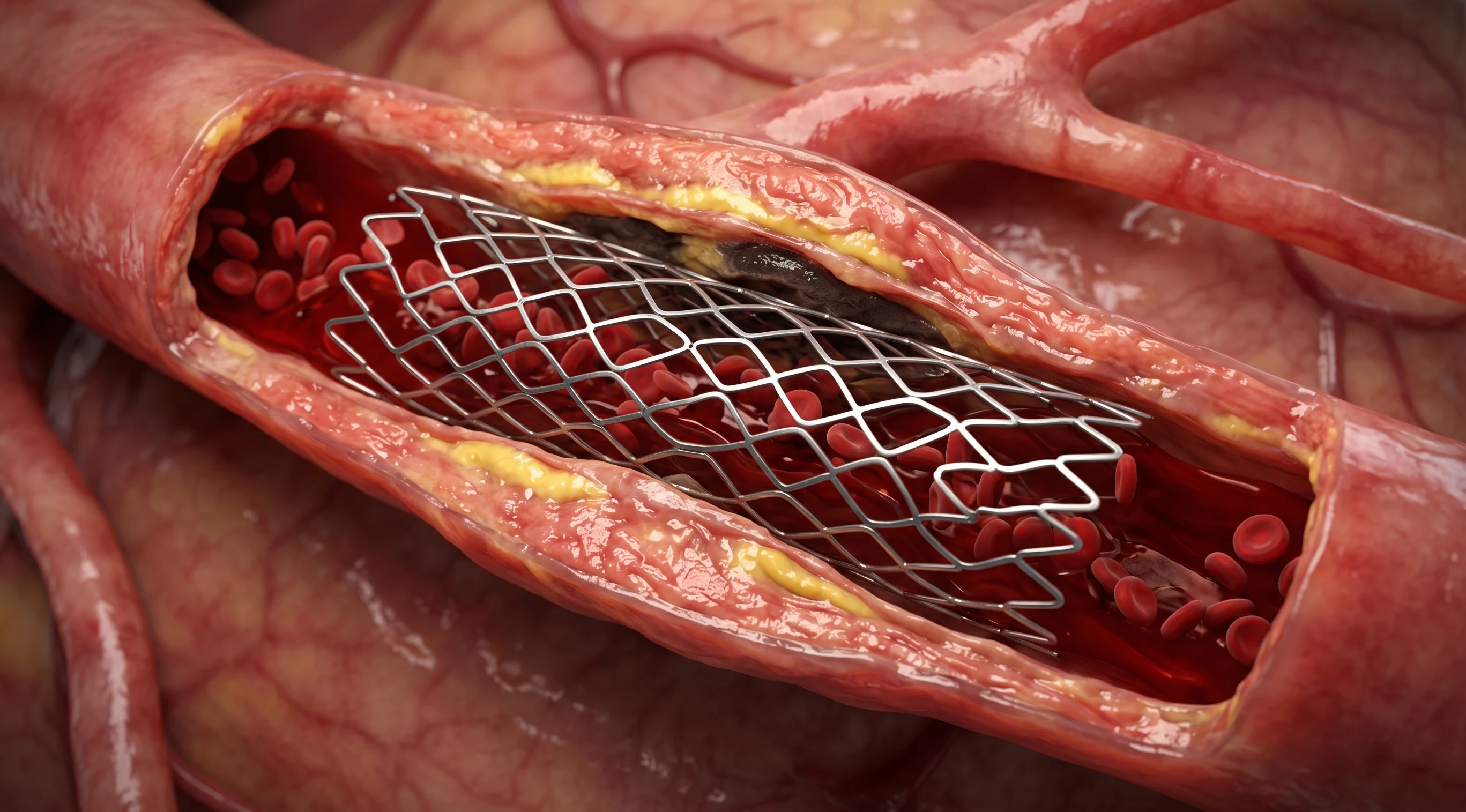
Coronary stents are small mesh tubes that help keep arteries open in people who have coronary artery disease. They’re most often used during a minimally invasive procedure called angioplasty, which helps restore blood flow to the heart when arteries become blocked or narrowed by plaque. Before stents were developed, treatments were much more invasive and usually involved open heart surgery, leading to longer recovery times and higher risks. With today’s stents, patients often spend less time in the hospital and get back to daily activities sooner. According to the American Heart Association, more than a million stents are placed each year in the United States alone.
The invention of the first stent in the 1980s was a big step forward for heart health. Early stents were made of bare metal, which was a huge upgrade compared to no support at all. Since then, technology has moved quickly. Stents now commonly include medications and special materials to further help patients heal and avoid future artery blockages.
Coronary stents are important not just for their effectiveness but also because they offer hope and healing for patients who might otherwise face very risky surgeries. It’s worth noting that while these devices have advanced at a rapid pace over the years, doctors still carefully weigh when to use them, aiming for the best possible result for each individual’s unique heart health situation. Education has also improved, with patients and their families now more involved than ever in treatment decisions, thanks to better information sharing and more userfriendly resources from hospitals and heart specialists.
Latest Developments in Stent Technology
Medical engineers and doctors keep working on ways to make stents safer, more effective, and easier for patients. Here are some of the biggest advancements in recent years:
- Drug-Eluting Stents (DES): These stents slowly release medication at the site of the blockage, reducing the chance that the artery will become blocked again. This design was created to fight a problem called restenosis, which happens when scar tissue builds up inside the stent. Drug-eluting stents are now the standard choice for many patients, with studies showing lower rates of repeat procedures compared to bare metal stents (American College of Cardiology).
- Bioresorbable Stents: Also known as biodegradable stents, these are designed to slowly dissolve into the body over time. This can make long-term healing more natural since there’s no permanent metal left inside the artery once it has healed. Bioresorbable stents showed lots of potential, but some early versions led to mixed results. Researchers continue to refine these devices for more predictable outcomes (UpToDate).
- Flexible and Thin-Strut Designs: Newer stents are being created with thinner, more flexible materials. These thinner stents are easier to place in complicated vessels and can reduce damage to the blood vessel wall, making the procedure less traumatic for the heart. This helps lower the risk of blood clots and other complications after stenting.
- Polymer-Free Stents: Many existing drug-eluting stents use polymers as a drug carrier. The latest designs try to avoid or reduce the use of polymers because they may sometimes cause inflammation. Polymerfree stents rely on novel coatings or direct drug attachment methods to reduce side effects and improve healing.
- Dual Therapy Stents: Some new stents are combining two different drugs or using advanced drugs that help both prevent restenosis and fight blood clots. This approach addresses two big challenges at once for people with especially high-risk heart disease.
Another area of growing research has been stents that are easier to see during imaging procedures. Improved visibility helps doctors place the stent with greater precision, which can result in better outcomes and fewer complications. Newer coatings also offer antimicrobial properties, further lowering the risk of infection both during and after the procedure. Continuous development means that patients today benefit from an ever-increasing variety of stent options compared to those in the past, with devices tailored to specific kinds of arterial blockages and body types.
How Coronary Stents Are Used in Modern Heart Care
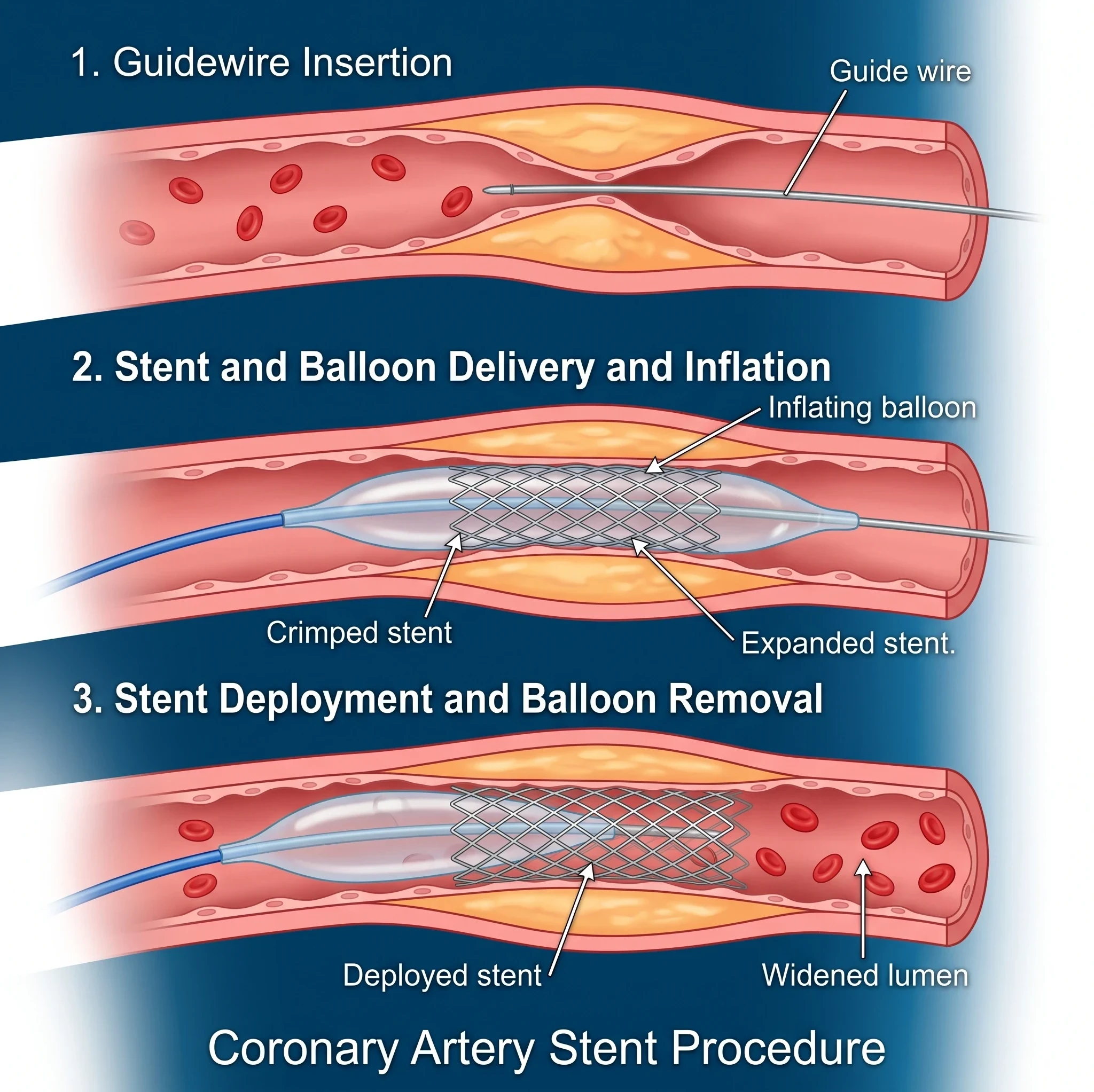
Stents have become a key part of treating blocked arteries, but doctors have to make sure they’re the best choice for each patient. People often receive a stent after a heart attack or when symptoms like chest pain don’t go away with medication and lifestyle changes. Doctors use imaging tests, such as angiograms, to find the blockages and then use a thin, flexible tube (called a catheter) to deliver the stent directly to the trouble spot in the artery.
After getting a stent, patients usually take medications to prevent blood clots and may need to return for regular checkups. Some people worry about the idea of having a metal or foreign object inside their body, which is why newer dissolvable or polymerfree stents can help give peace of mind and more natural healing.
Stenting procedures are often performed in special hospital labs by teams that include cardiologists, nurses, and imaging technicians. Recovery typically involves only a short stay—sometimes just an overnight observation—before patients go home. Doctors recommend avoiding heavy lifting or strenuous activities for a short time, but most people are encouraged to walk and return to light routines within days. Ongoing communication and support from the medical team play a big role in staying healthy after the procedure.
Key Considerations for Patients and Families
Anyone considering a stent, or helping a relative through the decision, will face a number of questions. Here are a few things that I think are really important to keep in mind:
- Type of Stent Used: Some patients may benefit more from one stent type than another. For example, people who have had issues with stent blockages in the past might be offered a drug-eluting or dual therapy stent. Others with allergies to polymer materials may do better with a polymerfree option.
- Procedure Risks: Like any procedure, stenting carries risks. These can include bleeding, infection, blood clots, or re-narrowing of the artery. Newer technologies are working to reduce these risks, but talking openly with a doctor helps set realistic expectations.
- Lifestyle After Stenting: A stent is just one piece in a much bigger plan for heart health. Diet, exercise, quitting smoking, and managing stress are all just as important after a stent is placed. Medication schedules also need to be followed exactly to prevent complications later on (American Heart Association).
- Cost and Insurance: The cost of newer stent models can be higher, and not every device is covered by every insurance plan. It’s worth checking with both your health care provider and your insurance company before the procedure.
It’s also key for families to talk through the level of support each patient will need after going home. Some people recover quickly, but others might appreciate some extra help, especially if they have other health problems or limited mobility. Community resources, such as cardiac rehab programs, offer additional encouragement and expert advice for making those important lifestyle changes that protect heart health long term.
Drug-Eluting Stents: What Sets Them Apart?
The main thing I notice about drug-eluting stents is how they combine mechanical support with targeted medicine. When these stents were first introduced, they were a big deal because they cut restenosis rates nearly in half compared to older bare metal stents. They require patients to take daily medication to prevent blood clots, which makes sticking to a prescription plan really important after receiving one.
Bioresorbable Stents: Pros and Cons
Bioresorbable stents can sound like the perfect solution. The idea is appealing; once the artery has healed, nothing artificial is left behind. I’ve seen some people get excited about this, but the technology is still being worked out. Early trials showed that while some patients did very well, there was also an increased risk of blood clots if the stent didn’t dissolve as planned. Doctors often use these stents very selectively until researchers finish more studies on long-term safety.
Tips for Making the Most of Stent Technology
Learning about heart treatments can feel overwhelming, especially when facing urgent health decisions. Here are some things you can do that really make a difference if you or someone you know is considering a coronary stent:
- Talk to Specialists: Make appointments with an interventional cardiologist who has experience with different types of stents. They can help explain which option fits your needs best.
- Ask Questions: Don’t be shy about asking what type of stent is being recommended, the risks, and what follow-up care looks like.
- Gather Your Medical Records: Having up-to-date lists of medications, allergies, and past procedures helps doctors make the safest choices when planning any heart procedure.
- Plan for Recovery: Make arrangements ahead of time for transportation, meals, and support at home for a few days. Even though many people feel better quickly, having help lined up is a good idea.
- Stick With Follow-Up Care: Keeping every follow-up appointment and getting recommended tests is super important to stay healthy after a stent procedure.
Adding to these tips, patient communities and online forums can also be great sources of support. Hearing from others who have gone through the same procedures, sharing tips on recovery, or simply connecting with people who understand what you’re feeling can go a long way in easing stress. Don’t hesitate to ask your health care team if they can recommend trustworthy patient resources or groups you might like to join.
Common Questions About Coronary Stents
People have questions about how stents work, what to expect, and how to take care of themselves once they go home. Here are a few that come up a lot:
Question: How long does a coronary stent last?
Answer: Most metal stents are designed to last forever. Drug coatings wear off in weeks or months, but the stent stays in place. Bioresorbable stents are meant to dissolve within one to three years, depending on the material.
Question: Can I get an MRI after having a stent?
Answer: Most modern stents are MRI safe after a short waiting period, but always double-check with your doctor and the staff at your imaging center before having an MRI.
Question: Will I need another stent in the future?
Answer: Some people need more than one stent over the years, especially if they have ongoing heart disease. Following care plans and lifestyle changes can help reduce the chance you’ll need more procedures.
Question: Are there limitations to the kind of exercise or activity I can do after a stent?
Answer: While strenuous activity may be limited in the days right after placement, most patients return to normal activities quickly. Always follow your doctor’s instructions and ask about personalized exercise advice, especially if you enjoy activities like swimming, cycling, or running.
Real-World Impact: How Advancements in Stents Help Everyday Lives
The most rewarding part, in my view, is hearing from people who are living longer, more active lives because of advances in stenting. Someone who needed open heart surgery twenty years ago might now just need a simple procedure and be out of the hospital in a day or two. Recovery is quicker and returning to work, family activities, and travel happens sooner. I’ve worked with patients who share how having easy access to lifesaving technology like drug-eluting or flexible stents helped them feel confident in their future, not just medically, but emotionally too.
Modern stents keep evolving every year. Researchers and doctors are testing new materials, coatings, and designs that will keep pushing outcomes in a positive direction. Staying up to date and asking questions gives patients and their families more control, making the most of these exciting new advancements in heart care. The glow-up in stent technology promises even more eye-catching solutions in the future, with scientists worldwide working together to make heart disease treatments as safe and effective as possible. If you or a loved one is facing a decision about stents, take the time to get the facts, talk openly with your care team, and know that every year brings new hope and better options for heart health.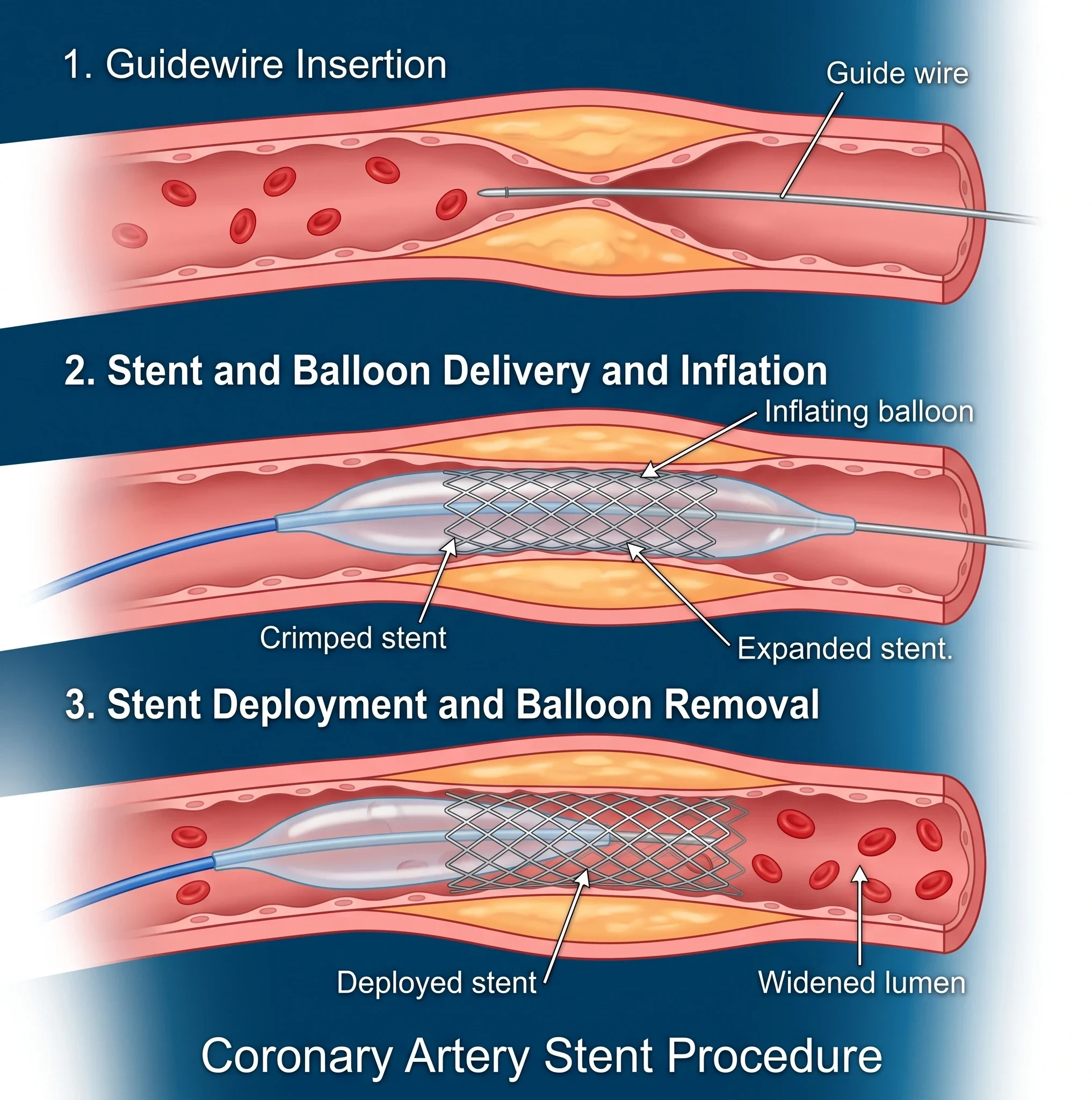
People are also asking: What is the latest technology for heart stents?
According to Google Search under People also Ask, “Bioresorbable Vascular Scaffolds are the latest technological advancements in heart stent surgery. Unlike bare-metal stents, Bioresorbable Vascular Scaffolds (BVS) are made of naturally occurring elements in the body, thereby making them dissolvable over time.”
I was so inspired reading about how bioresorbable stents are designed to dissolve once the artery has healed, because it feels like such a beautiful step toward trusting the body to recover naturally without leaving permanent hardware behind.
My uncle recently went through a stent procedure, and while his physical recovery has been great, he still carries a bit of mental weight knowing there’s a permanent metal tube inside him, which makes these temporary options feel incredibly hopeful.
How do you see the timeline for bioresorbable stents becoming a more standard option for everyday patients, and what signs should families look for to know if their loved one might be a good candidate?
What to look for to know whether your loved one is a good candidate would be the response of their doctor to questions asked including those on informed consent. I think the time is now for the best technology implementation, but sadly some regions fall late on accepting new best practices.
I found this article fascinating because it’s easy to take medical advancements like stents for granted without realizing how much they’ve evolved over the years. I’ve had friends who have received coronary stents, and it’s amazing to see how a procedure that once might have required much more invasive surgery can now help people get back to their normal lives much more quickly.
I also appreciated that you emphasized a stent isn’t the end of the journey. The procedure may restore blood flow, but long-term heart health still depends on lifestyle choices, medications, and follow-up care. That holistic perspective is so important for patients and their families.
With all the ongoing research into bioresorbable stents, polymer-free coatings, and other innovations, which advancement do you think has the greatest potential to improve patient outcomes over the next five to ten years?
– Scott
I’m thinking they may all have their applications, but just hoping it gets better for those suffering with complications. You’re completely right about all the aspects which matter greatly for the patient quality of life. Thank you for your thoughtfulness with feedback of this article. It is a comfort to have Community support through the obstacles involved in people who have stents needing care.
Sincerely,
Nurse Becca
Thank you for another well-written and informative article. It’s amazing how medical technology continues to improve and offer better outcomes for patients. I was especially interested in learning about the newer advancements in coronary stents and how they may improve long-term care. I’m curious, do you think there are any emerging technologies or treatments that could eventually reduce the need for stents altogether? Thanks for sharing your expertise in a way that’s easy to understand.
Yes, I definitely see improvement coming in prevention especially with the use of genetic testing and AI. The medicine is advancing and prevention learning is going to be key for future outcomes. I appreciate your interest, and comments very much.
Thank you kindly!
Nurse Becca
I had never thought about how important it is for a stent to be clearly visible during the procedure. That seems like such a small technical detail, but I can understand how better visibility could help the cardiologist position it more accurately, especially in a narrow or unusually shaped artery. My father had a stent placed several years ago, and we were told the type of stent used, but nothing about how easily it could be seen during imaging. Does improved visibility also make the procedure quicker, or is the main benefit simply more precise placement? And is this something a patient can ask about before the procedure?
Thanks for sharing this article! I found it really interesting to learn how coronary stents have improved over time. Medical technology keeps advancing, and it’s encouraging to see how these developments can help patients recover and improve their quality of life. One question I had is whether newer stents typically last longer than older ones, or does that depend more on the patient’s condition?
Great question you pretty much answered on your own. It does depend on the person. Thank you for reading my article.
Kind Regards,
Nurse Becca
Thank you for this informative and balanced overview of modern coronary stent technology. I appreciate how you explained complex medical advancements in clear, accessible language while emphasizing that successful outcomes depend not only on innovative devices but also on informed decision-making, medication adherence, lifestyle changes, and ongoing communication with healthcare providers. Empowering patients with accurate information and realistic expectations is essential for achieving the best long-term heart health outcomes.
You’re quite welcome, and surely have a way of saying that is eloquent.
Kind Regards,
Nurse Becca
The advancements in coronary stent technology are really encouraging. It is interesting to see how medical innovation continues to focus not only on opening blocked arteries but also on improving long-term outcomes and making procedures safer for patients. I think educating patients about these developments is also important because it can help them better understand their treatment options. What do you think will be the next major advancement in coronary stent technology?
Good question, I don’t know but hopefully something great! I think it could be using pharmacogenetic to prevent medication interactions and adverse events…Thank you for reading my articles.
Kind Regards,
Nurse Becca
I’m still thinking of an answer for you, but I think it will include changes of the gold standard across the board. When errors which are catastrophic keep happening, there has to be a better way. I think maybe pharmacogenetic in use of anticoagulation will be helpful.
It’s impressive how coronary stents have progressed from basic metal supports to drug-eluting, thinner, more flexible, and even bioresorbable designs. The idea of a stent doing its job and eventually dissolving is particularly interesting, although the article also highlights the challenges researchers are still working through.
What advancement in stent technology do you think has the greatest potential to improve long-term outcomes for patients?
I’m not sure what will be next on the horizon, but hoping it is pharmacogenetic studies on the proper anticoagulation therapy. As I am not a doctor, but a nurse it just makes sense to me to prevent adverse drug events. What a wonderful question!
Kind Regards,
Nurse Becca