A legal nurse consultant for medical malpractice reads the clinical record the way a bedside nurse would and tells you what it shows. She identifies what care was ordered, what was delivered, what was documented, and where those three disagree. That read helps you decide whether a case is worth taking and where to focus once you have it.
What does a nurse consultant actually do for a malpractice or nursing home case?
A nurse consultant translates the chart into what happened at the bedside, hour by hour. Physicians’ notes tell you what was decided. Nursing documentation tells you what was observed, what was done, and who was told.
For a lawyer, that means a clear answer to questions like these:
- Was the patient assessed at the frequency the orders and the facility’s own policies required?
- Did a change in condition get recognized, and did anyone escalate it?
- Do the medication records match the orders?
- Does the documentation tell one consistent story, or do entries contradict each other?
A consultant works from the record. She does not decide your case for you, and she does not replace the testifying expert your jurisdiction may require. She gives you the clinical reading you need to make your own decisions.
Which records can I send, and what will you find in them?
Send whatever you have, even if it is incomplete. Gaps in a chart are findings too, and a consultant can tell you which missing pages matter and which do not.
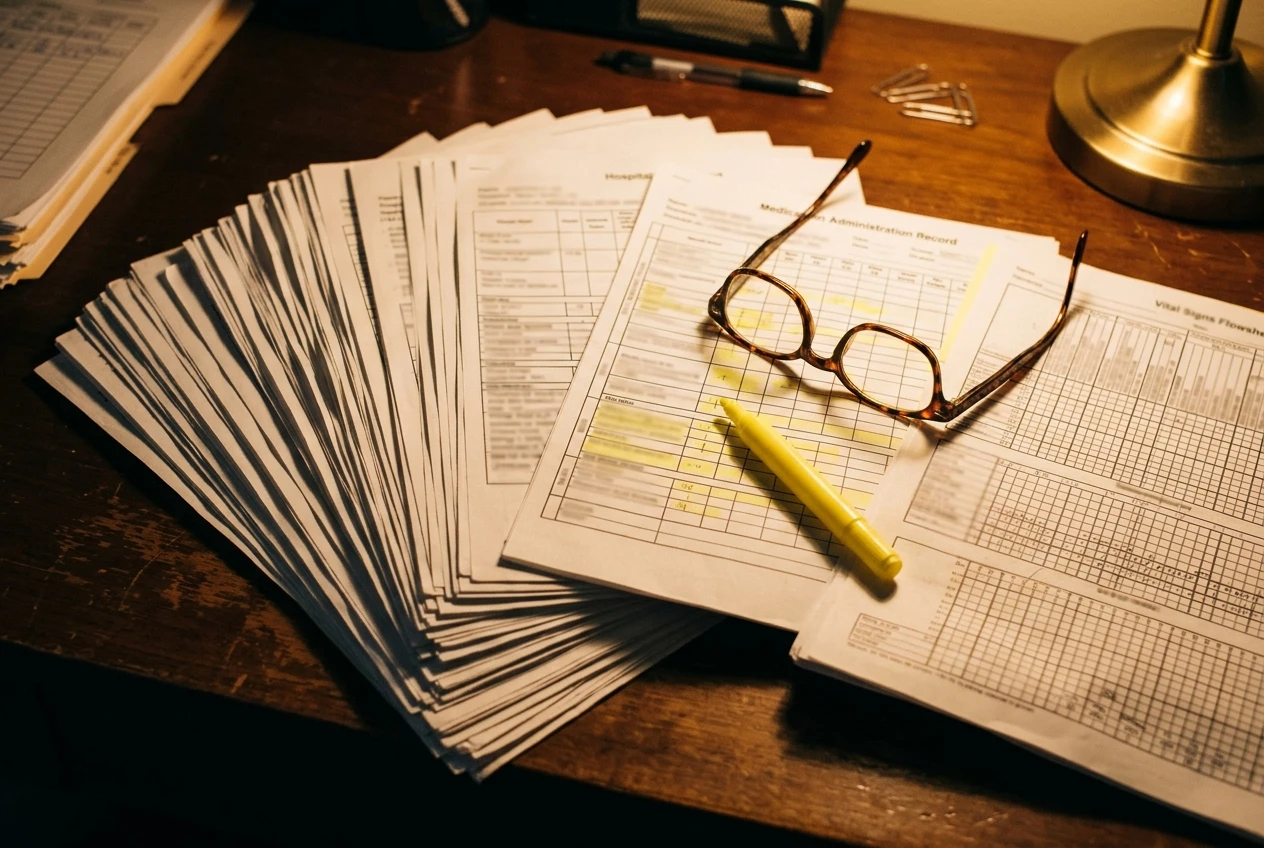
The records most useful to a nurse’s review include:
- Nursing notes and shift narratives
- Medication administration records and physician orders
- Vital sign flowsheets and intake and output records
- Care plans, skin assessments and fall risk assessments
- Incident reports and handoff documentation
- Nursing home staffing logs and schedules
In a nursing home case, patterns across weeks matter more than any single entry. A medication record with repeated late or missing doses points to a different problem than one missed dose. Her pieces on reading a medication administration record for patterns of systemic neglect and on nursing home staffing logs and ratios show how that kind of review works.
How does a nurse’s read of the chart change case screening?
It lets you screen with clinical facts instead of a client’s account of events. A family may be certain the care was poor, but the chart may show timely assessments and prompt notification of the physician. The reverse happens too: a case that looks marginal can turn out to have a documented decline that went unanswered for a full shift.
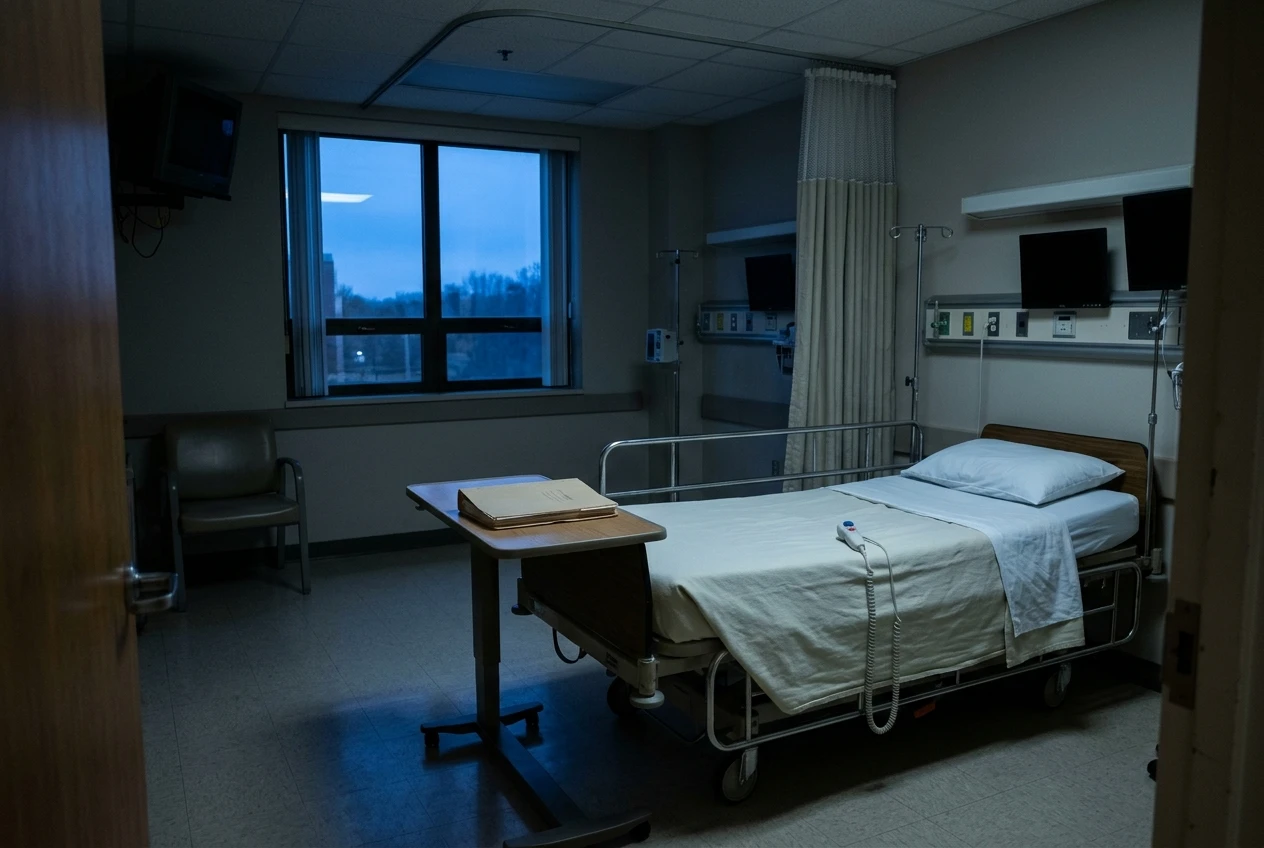
Screening with a nurse’s read covers three things:
- Whether the standard of care appears to have been missed, and where.
- Whether the documentation supports a causal link to the injury.
- Whether the records you still need to obtain are likely to help or hurt.
Reviewing before you commit helps you avoid the expense of a full workup on a weak case, and it helps you take the strong ones with confidence. Nurse Becca’s article on spotting gaps in a fall risk assessment before you take the case walks through one common screening question.
What does working with Nurse Becca look like from first call to deliverable?
It starts with a conversation about the records and the question you need answered. Tell her the type of case, what you have, what you suspect, and what decision you are facing, whether that is accepting the case, drafting a complaint, or preparing for a deposition.
From there, the work follows the question you set:
- You send the records you have, with a short description of the claim.
- The records are reviewed against the question you asked.
- You receive findings tied to specific entries in the chart, so you can check each point yourself.
Scope and format are agreed in that first conversation so the result is something you can use. Keeping the question narrow and specific tends to produce the most useful answer.
Can a nurse consultant help once a case is in deposition?
Yes. A consultant can help you prepare questions for nursing witnesses, point out entries that conflict with testimony, and explain what a nurse’s routine practice would normally look like on the unit. That helps you ask precise questions instead of general ones.
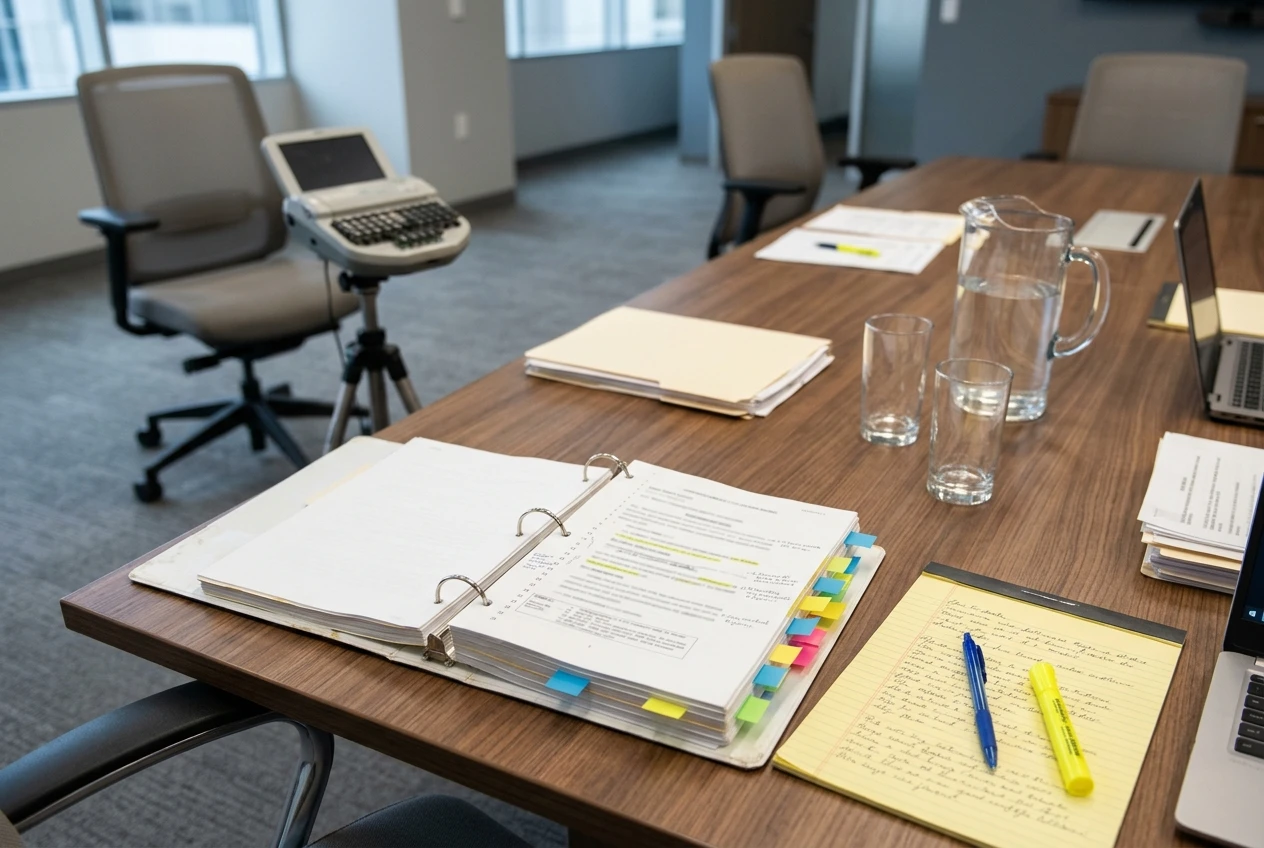
Documentation habits, orientation standards and continuing education all become relevant when you depose a nurse. Nurse Becca’s article on what a nurse consultant does in the room during a deposition explains the role in more detail.
Where should I start reading before I reach out?
Pick the article closest to your case type. Each one covers a specific kind of record and what to look for in it.
- Surgical cases: the gaps in a post-op chart that show nobody was watching the patient
- Pressure injury cases: how to evaluate pressure ulcer staging in medical records
- Team and handoff failures: how communication breakdowns on the care team become the malpractice case
- Facility-level negligence: what low clinical mentorship investment tells you about a nursing home’s standard of care
What should I send to get a first conversation going?
Send a short summary of the claim and the records you currently hold. A complete file is not required. These items make the first conversation productive:
- The type of case and the injury or outcome alleged
- The dates and setting of care (hospital unit, clinic, or facility)
- The records in hand, and any you know are missing
- The decision you are trying to make, and any deadline attached to it
Contact Nurse Becca to talk through the records on your next case before you decide whether to take it.