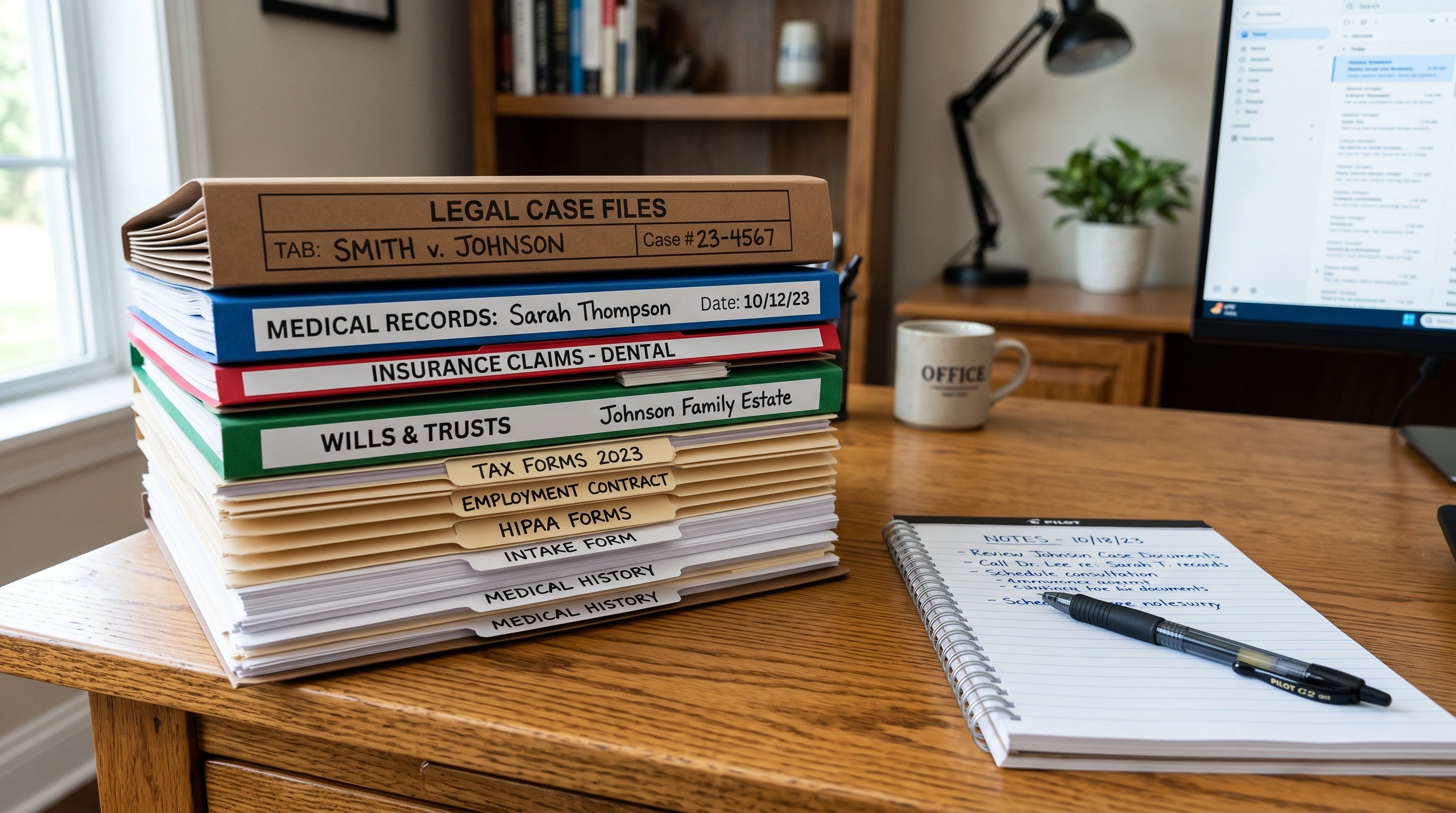
Building a personal injury case takes more than collecting accident reports and hospital records. Every gap, missing document, or unclear date can open the door for the insurance company or defense lawyer to downplay injuries or mix up blame. I’ve worked with many personal injury files, and it’s always the thorough chronologies, covering every step of care, that stand up best to scrutiny.
Most people don’t realize just how much paperwork a good chronology needs. Scattered treatment dates, lost ambulance records, or an untracked follow-up can easily get overlooked. That’s why I rely on a step-by-step checklist for every case, making sure no important piece slips away. This guide covers the main areas you’ll want to double-check in any personal injury paperwork trail.
Start with the Basics: Key Chronology Documents
Every strong chronology begins with a solid foundation of essential records. If these are missing, gaps might slip in unnoticed, and it becomes much harder to defend the timeline of injuries and care.
What to Gather Right Away:
- Accident or incident reports (police, workplace, or store)
- Ambulance run sheets or first responder logs
- Emergency room intake forms and discharge summaries
- Initial treatment notes and doctor’s assessments
Forgetting just one of these can throw off the whole sequence, making it tougher to show how quickly you got help or how your symptoms changed over time.
Spotting and Filling Gaps in Medical Treatment
Breaks in documented care are one of the first things insurance adjusters check for. A week or two without any doctor visits, or a delayed return to therapy, often becomes a reason for them to argue that your injuries weren’t serious, or that something else could have happened in between.
Checklist for Medical Records:
- EMS and Incident Scene Documentation: Ambulance records, first responder notes, or on scene photos are crucial for confirming the immediate impact and physical findings.
- Emergency Care Details: Secure not only the ER doctor’s chart but also nursing notes, triage logs, and all diagnostic imaging results. Don’t settle for a summary—get the full story whenever possible.
- Primary Care and Followups: Make sure you have visit notes from every provider seen after the accident, including any specialists. Search for missed appointments, delayed referrals, or unexplained breaks between visits. Ask offices for explanations when something doesn’t make sense.
- Therapy and Rehab: Physical and occupational therapy records are best when they include the intake evaluation and daily progress notes. This gives a stronger picture than a single discharge summary.
- Mental Health and Pain Management: If you saw a counselor or received pain management care, collect those records too. Gaps or changes here also need a clear explanation.
For every gap found, write down the reason, such as travel, illness, insurance delays, or office cancellations. If a treatment was paused, record why, even if it means calling the clinic for an attendance log or a copy of phone correspondence.
Include PreInjury and Baseline Medical History
Defense lawyers often try to mix up new injuries with old ones. Having several years of baseline health data really helps. Getting these records can feel like a hassle, but proving there was no similar prior condition is worth the time every single time I’ve tried it.
Baseline Items to Collect:
- Primary care records for three to five years before the injury
- Any prior specialist reports relating to the same body part
- Previous diagnostic images, if available
Even if something pops up in old records, having the proof lets you show exactly what changed after the accident. I always request these and set them out clearly in any chronology file.
Track Financial and Administrative Records
A full chronology includes proof of all bills, insurance payments, and prescription fills. If there’s confusion over which treatments were paid, delayed, or denied by insurance, it can stall the case or cause extra questions.
Important Administrative Documents:
- Itemized hospital and doctor billing statements (not just the totals)
- Insurance explanations of benefits and claim ledgers
- Pharmacy dispensing records showing every time medication was picked up or refilled
- Payment and lien records for treatments covered by auto or health insurance
Note amounts not covered by insurance and track all outstanding balances. If a bill seems unusually high or appears twice, check for duplicate or rejected entries.
Don’t Overlook NonMedical Chronology Evidence
Your chronology often brings together more than just medical paperwork. Proof of missed work, changes in daily living, travel logs, or even personal journal entries can help fill out the story.
Other Records Worth Including:
- Employer documents on missed workdays or job restrictions
- Personal or family calendars marking appointments or activities missed
- Emails, texts, or phone records confirming appointment scheduling or cancellations
- Daily symptom diaries, pain journals, or notes on daily living impacts
The more consistently every event is tracked, the harder it is for an opposing party to argue your injuries or their effects were minimal.
Handling Gaps and Discrepancies in the Timeline
No chronology will be perfect. Sometimes, there’s a missed appointment, a delay waiting on insurance authorization, or a gap from vacation or unrelated illness. I always flag these periods, describe what happened, and add what’s being done to fill them in when possible.
Sample Note:
“Chronology note: Found a 12 day gap between discharge from the emergency room and the first orthopedic visit. Requested phone logs from the clinic to show when appointment requests started. Waiting for a callback to see if the delay was due to unavailable appointments or waiting for preauthorization.”
This type of note keeps things clear and tells anyone reviewing the file that I’m aware and actively working to resolve every issue.
Common Questions & Tips for Chronology Success
How can I tell if something is missing from my chronology?
I look for gaps longer than a week or times when symptoms change suddenly without explanation. If an entry doesn’t make sense, it’s smart to ask for more paperwork or details from the provider.
Do I need every page of every record?
Not always, but the more detail you have, the harder it is for an insurance company to dispute your claim. Full visit notes are important, not just summaries or checklists.
What’s the best way to organize a chronology?
- Create a master list of all dates, with treatment type, provider, and outcome in a spreadsheet.
- File all related documents in order by date.
- Highlight gaps or confusing entries and add short notes until everything is straightened out.
Next Steps for Building Your Personal Injury Chronology
Building a strong personal injury chronology requires more than chasing paperwork. Carefully reviewing every gap, tracking each appointment, and keeping solid notes boosts your chances for a successful claim. I find that sticking to a detailed checklist makes the whole process smoother, and gives your case the support it needs if questions come up later.
Your Action Plan:
- List the key steps and treatment dates in your own overview.
- Request missing records and record every gap or delay you find.
- Keep clear notes explaining why each gap exists and what’s been done to fill it.
Accurate and thorough recordkeeping makes it easier to answer questions, spot potential issues early, and present a clearer, stronger story if your case reaches settlement or trial. Taking the time on these steps can make all the difference in the final outcome.