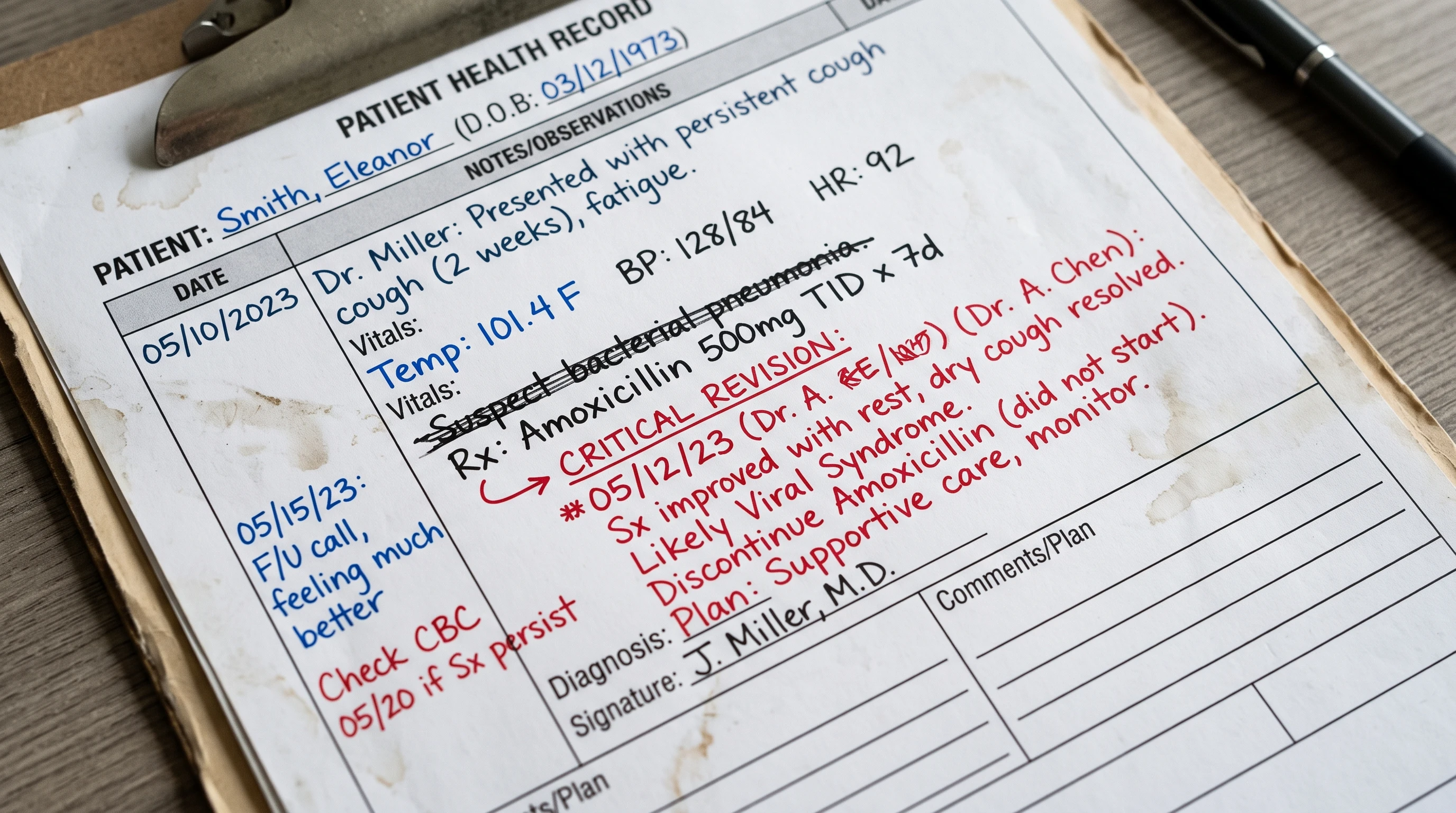
 Paying close attention to the integrity of a medical chart is really important, especially when medical records are being used for legal or insurance purposes. When a patient’s chart has been changed after the fact, it can affect not just care, but also outcomes in a legal case. Spotting when a chart has been changed helps protect your rights or support a client’s case if you’re a legal or health professional.
From my own experience in nursing, I know that even small discrepancies in medical records can make a huge difference. Sometimes changes are legitimate, like adding late entries with proper documentation. Other times, the changes are suspicious and can hint at an attempt to cover up a mistake or misrepresent the patient’s condition. Learning to spot the signs of altered records helps me ask the right questions when I notice something odd on a chart, and can be critical for uncovering the truth either in routine care or legal matters.
This article covers the ten main signs that suggest a medical chart has been changed. I’ll walk you through each one so you have a clear understanding of what to look for and why these details matter in medical and legal settings. By staying sharp and knowing what to spot, you can help maintain high standards and reveal important details that might otherwise be missed.
1. Inconsistent Handwriting or Font Style
One of the first things I look for is whether the handwriting or font changes between entries. If a single entry suddenly switches writing style, size, or ink color without a clear reason, that is a real flag. Electronic records can show font or format changes when different users add entries, but sudden inconsistencies within a single entry or around a crucial event need a second look—especially if these changes align with a disputed aspect of the patient’s care.
How to Identify:
- Compare handwriting across the same time period.
- Look for different handwriting on the same date or even the same entry.
- For printed records, watch for changes in font type or size without an apparent software update or user explanation.
This tactic is not just limited to handwritten records, as even digital methods can leave hints if users try to edit or paste in outside text. Notice fonts that don’t match the standard, and any irregularity that doesn’t fit familiar EMR patterns, since even small style details can provide important clues.
2. Unexplained Gaps or Blank Spaces
Blank spaces in a medical record, especially in a handwritten chart, can serve as a way for someone to add information later. I always find it strange to see a big empty gap between two entries because each entry should usually follow the last one directly. These spaces sometimes end up filled in long after the original care was given, and it’s especially suspicious if it’s around a key date or adverse event.
What to Watch For:
- Large gaps before or after key events.
- Late entries squeezed into available space.
If you see this, consider why the gap is there. A well-documented record should never leave empty space where data can be tampered with. Gaps may allow for retroactive changes that alter the story of what happened.
3. Use of Correction Fluid, Tape, or Scratching Out
Officially, medical records should not be changed by covering up original text with white-out, correction tape, or by heavily scratching out entries. The proper way to note a change is to line through the error, initial it, and add correct information in a new entry with the date and time noted. Seeing white-out, smudges, or heavy erasing usually suggests someone might have tried to hide what was written at first instead of owning the correction visibly.
How It Appears:
- White-out or tape covering part of the record.
- Text that is heavily scratched out or made unreadable.
Corrections like these can erase important details and introduce doubt about what was really recorded and when.
4. Entries Out of Chronological Order
Medical records are supposed to follow the chronological order of patient care. When I see entries that jump back and forth in time, or added “backdated” notes, I get suspicious about the accuracy of the whole chart. These errors can come from poor recordkeeping, but may also show someone is trying to switch up the timeline of the patient’s care. Keeping an eye out for out-of-sequence entries helps catch attempts to change what really happened.
Tips for Detection:
- Check the date and time stamps for continuity.
- Children’s hospital computers log time automatically, but handwritten records might show date and time inconsistencies.
If you spot a progress note or lab result that appears before an event but is actually dated after, it’s a big hint that the documentation timeline has been edited—or possibly falsified.
5. Addendums and Late Entries Without Explanation
Sometimes healthcare providers realize they forgot to document a detail and add a late entry, which is legitimate as long as it’s clearly noted and timed. But if you notice a chart with multiple late entries or addendums without any explanation or indication why, it’s usually a sign to check in about the reasons. This is especially true when several late entries show up around the time of a complaint or adverse event.
What Matters Here:
- Entries must specify that they are late, state a reason, and include the real date and time of entry.
- Notes missing this level of detail should be looked at more closely.
Frequent, unexplained late entries can hurt both the quality of medical care and a provider’s credibility in a legal setting.
6. Altered Electronic Audit Trails
Electronic Medical Records (EMRs) keep an audit trail of who accessed or changed the record. If this audit log is missing, or it has gaps or overwritten times that don’t match clinical events, it raises serious concerns. Since only certain people can edit the audit trail, oddities here strongly suggest someone tried to cover their tracks. Audit trails act like black boxes in airplanes—reliable, behind-the-scenes accounts that keep records honest.
Audit Trail Red Flags:
- Deleted or missing entries in the audit log.
- Modification times that do not match key events in the chart.
Always ask about any audit trail discrepancies; missing data here absolutely calls for professional investigation.
7. Entries Lacking Author Identification
Every record should show who made it by providing a name, signature, or digital ID. Anonymous entries, or those where the signature is missing or unreadable, are a big problem for both patient care and legal defense. If I see a note without a provider’s name, I raise the concern and dig deeper.
What That Looks Like:
- Only initials or unclear IDs with no way to track down the actual provider.
- Multiple signatures or IDs for the same person, suggesting someone may be creating confusion or hiding their identity.
Accurate documentation of who made each entry protects everyone by making sure all contributions are traceable and responsible.
8. Inconsistencies with Other Records
If a chart entry doesn’t match up with lab results, medication documents, or reports from other providers, it can suggest someone added information later to fill a gap. For example, saying a medication was given when the pharmacy record shows it wasn’t even dispensed is a huge concern. These kinds of mismatches are warning signs that someone might have tried to fill in the blanks after care was delivered.
Practical Steps:
- Cross-check progress notes, labs, medication administration, and orders to spot inconsistencies.
- Highlight entries that aren’t supported by other documentation and look for a logical explanation.
Matching details across records ensures a complete picture and helps highlight changes that might otherwise slip through unnoticed.
9. Changes Made After Legal Action or Incident
If changes appear only after a complaint, investigation, or adverse event, that’s a major clue of possible tampering. I’ve seen medical notes altered after a family files a formal complaint. Courts and opposing lawyers pay close attention to any record changes that happen once legal or administrative review kicks off. All updates after a incident should be clearly justified and very transparent in the record itself.
- If an entry is changed after an incident but refers to a time before, that’s definitely a red flag to keep an eye on.
10. Multiple Versions of the Same Record
Hospitals sometimes keep both paper and electronic records. Finding two versions of a progress note with different information brings up lots of questions about which is correct. Sometimes this comes from copying errors, but if the content itself conflicts, you need to review both versions carefully to figure out how the differences came up, who had access, and what may have motivated the change.
Multiple versions can point to deliberate efforts to change the medical narrative or introduce confusion regarding the patient’s care history.
What Happens in Court When Altered Records Are Found?
When lawyers or patients stumble upon altered charts, courts take it very seriously. If a plaintiff’s attorney shows clear proof records were changed, courts may grant something called an “adverse inference.” That means the jury or judge can assume the missing or changed entry would have hurt the defense and probably helped the patient’s case. I’ve seen cases where clear proof of tampered records led to a decision in the patient’s favor, especially if the changes happened only after a complaint or an incident.
Here’s an example: At one hospital, the electronic audit trail revealed that notes about a critical event were modified several days after the patient’s injury, not on the actual day as staff had claimed. Because the audit’s automated record didn’t match the nurse’s notes and no proper explanation for the late entries existed, the judge decided the chart was falsified. The jury was told to consider that the missing or changed data might have included points harmful to the hospital’s defense. That case ended up as a win for the patient’s family.
Judges take the integrity of medical records seriously, and when suspicious changes are found, it can totally mix up the outcome of a lawsuit. Accurate, honest records keep everyone safe, and reviewing details with a critical eye is essential to medical legal work and protecting patients.
If you spot any of these warning signs, ask more questions and, if you feel it’s needed, get advice from a medical records expert or legal professional. Sometimes a second look can help get to the bottom of things when the accuracy of medical charts is at stake.