Remote legal nurse jobs open up a new path for nurses who want to combine their medical knowledge with legal work, all from the comfort of home.
I have found that a remote legal nurse role offers flexible work-life balance, interesting challenges, and an opportunity to use my clinical background in a whole new way. In this article, I’ll share what these jobs look like, what a day is usually like, the types of cases I handle—including a closer look at traumatic brain injury cases—along with some practical tips to get started.

What Is a Legal Nurse Consultant and What Do They Do Remotely?
A legal nurse consultant (LNC) is a registered nurse who puts clinical experience to work, helping attorneys and legal teams make sense of complex medical records, procedures, and terminology. In a remote setup, I work from my own home office, using secure technology to review files, write reports, and consult through phone or video meetings.
The remote legal nurse job isn’t about patient care. It’s about applying medical expertise to support legal outcomes. Common duties I handle every day include:
- Reviewing Medical Records: I read and summarize large volumes of healthcare records for attorneys.
- Creating Timelines: I develop timelines for medical events, charting what happened and when.
- Identifying Standards of Care: I spot when care meets or falls below accepted medical standards.
- Preparing Reports: I draft clear explanations of complex health events for judges or juries to understand.
- Providing Expert Input: I answer attorney questions in plain language and sometimes put together questions for witnesses.
Most remote work relies on strong written communication, excellent organizational skills, and the ability to stay focused for long periods. I almost never need to travel, and my schedule can be much more flexible than with bedside nursing.
A Day in the Life: Working as a Remote Legal Nurse Consultant
My typical day as a remote legal nurse consultant starts with checking emails and case assignments from law firms. When a new file shows up, my first step is a quick read-through to spot major issues—like missed diagnoses, delayed treatments, or medication errors. Then, I get into the details.
An average morning is spent reviewing medical records, taking notes on injuries and treatments, and looking for anything that could change where a legal case goes. I create a summary or timeline, making sure my work matches the attorney’s questions, like “Was there a delay in diagnosis?” or “How did hospital staff respond?”
By the afternoon, I’m drafting email updates for attorneys or jumping on video calls to help make sense of the medical side of a case. If I’m prepping for trial, I pull out key documents, highlight important entries, and sometimes team up with other experts. The work brings more independence than most hospital jobs and centers around analysis and written reports.
Type of Cases Worked by Remote Legal Nurse Consultants
I usually find myself handling a wide range of cases, and each one calls for a different skillset. Common examples include:
- Medical Malpractice: Reviewing care in hospitals or clinics to check if standards were followed.
- Personal Injury: Evaluating injuries from car crashes, workplace accidents, or slip-and-fall situations.
- Workers’ Compensation: Assessing job-related injuries or illnesses, including effects of returning to work.
- Elder Abuse: Checking out claims of neglect or harm in nursing homes.
- Product Liability: Taking a look at cases where faulty medical devices or drugs caused harm.
Every case draws on my clinical knowledge, but the legal context and specific details can really vary. Over time, most LNCs find a specific area to focus on, which can increase demand for their expertise and help build a reputation.
Focus on Traumatic Brain Injury Cases
Traumatic brain injury (TBI) cases often land on my desk in both personal injury and workers’ compensation claims. These cases are complicated because symptoms can be all over the place, and their effects might not show up until much later. Knowing how to size up and document a brain injury is essential for any remote LNC.
When I get into a TBI case, I pay close attention to:
- Initial Hospital Assessment: I review how ER staff addressed the first symptoms and what imaging (like CT or MRI) was done.
- Progress Notes: Follow-ups, physical therapy details, and ongoing symptoms are all part of what I check.
- Outcome Documentation: I look for evidence of long-term changes in thinking, movement, or personality, since these are central to damage claims in court.
- Comparing Timeline and Records: I make sure that the reported symptoms and outcomes line up with the timeline and medical care given.
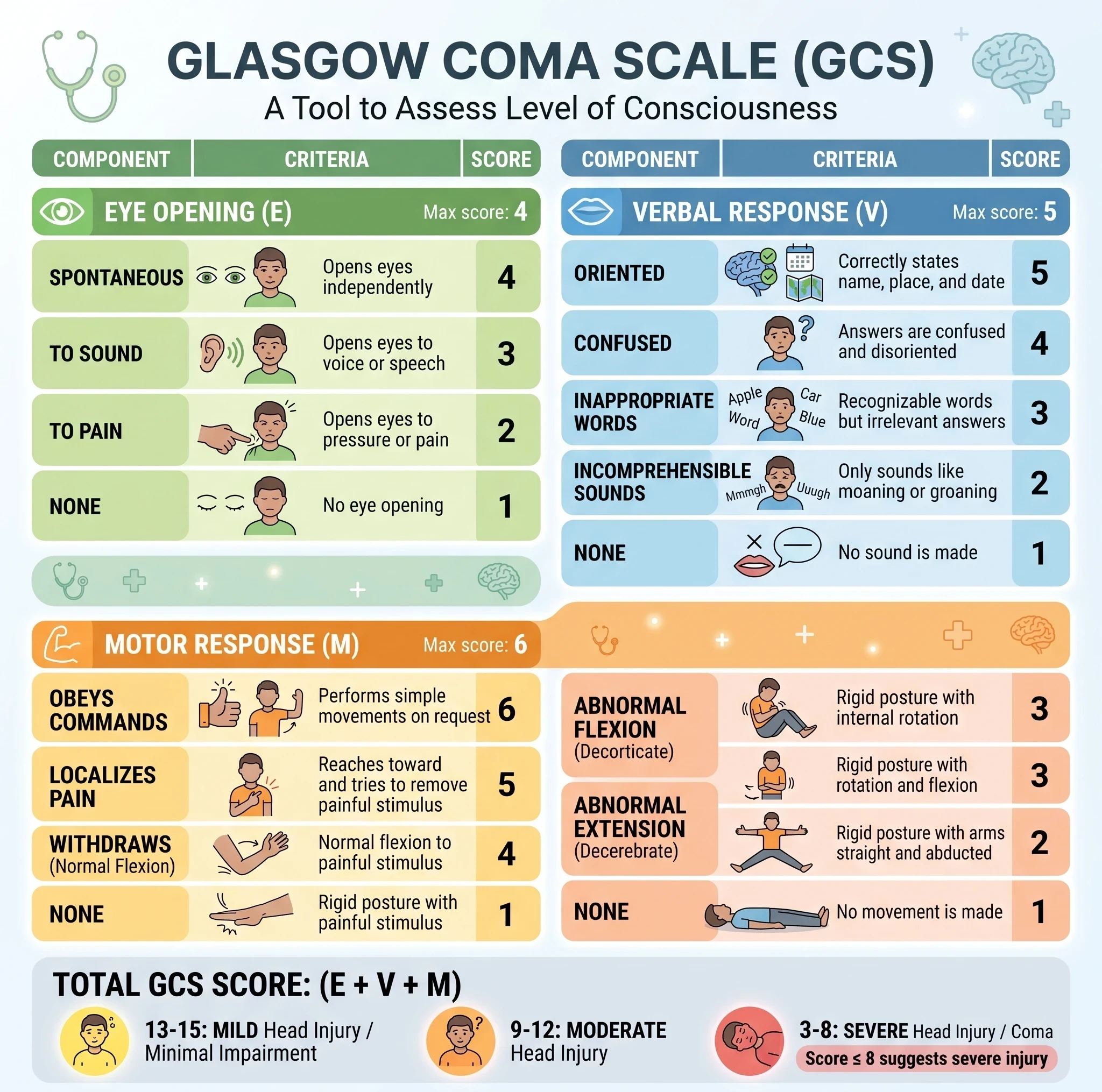
Getting familiar with common scales used in TBI cases, such as the Glasgow Coma Scale, helps me spot missing or conflicting info quickly.
(Glasgow coma scale is a fancy way of saying how the brain is functioning.)
Attorneys count on a clear explanation of how a TBI affects a person’s daily life and ability to work long-term, so my summaries need to cover this in detail. Working remotely doesn’t change how thorough or accurate I need to be, but it does mean I can research and write in my own space, which I find helpful for focus and productivity.
It’s also important to be up to date on best practices for documenting neurological changes, reviewing imaging reports, and recognizing subtle details in progress notes. This extra attention to detail can help ensure no aspect of the client’s injury, rehabilitation, or long-term needs is missed.
How to Start in Remote Legal Nurse Jobs
Getting into this field means you need a strong background in both nursing and the legal process. Most remote LNC roles require an active RN license and several years of direct clinical experience.
Many nurses also find it useful to take specialized certification courses, such as those offered by the American Association of Legal Nurse Consultants (AALNC), which provide education on legal basics, report writing, and professional ethics.
Here’s how I suggest jumpstarting a remote LNC career:
- Gain Clinical Experience: Spend a few years in bedside or case management roles to build the foundation needed to analyze records and spot deviations in care.
- Learn about Legal Processes: Familiarize yourself with the legal system, especially litigation and insurance claims, to make sense of attorney needs.
- Get Certified: Volunteer for training or certification programs for legal nurse consulting. These can build credibility and teach practical skills for writing persuasive reports.
- Track Down Remote Opportunities: Search job boards, join LNC groups online, or network with attorneys and fellow nurses who’ve gone remote. Building relationships is key.
- Set Up Your Home Office: Have a reliable computer, secure internet, and a way to keep confidential files locked down—these are basics for success.
Once established, remote LNC positions let me build my own client base, operate as a contractor, or join a legal consulting company. I can often pick between part-time and full-time work, based on what fits my needs best.
It’s also a good idea to continue learning about new legal trends and medical developments. Attending webinars, reading case studies, and joining relevant online forums keeps your skills fresh and your services in demand.
What I Consider When Taking a Remote Legal Nurse Job
There’s a lot more to think about than just your existing nursing experience. Here are a few things I always weigh before accepting remote legal nurse work:
- Technology Requirements: Secure file sharing, password protection, and high-quality monitors help me stay productive and keep information safe.
- Billing and Contracts: Many remote LNCs are independent contractors. Handling invoices, contracts, and tax matters becomes an important part of the job.
- Managing Workload: With multiple cases and no on-site supervisor, it’s up to me to stay motivated and keep on track.
- Confidentiality: Patient privacy rules like HIPAA still apply, so keeping devices secure and files protected is a must.
Thinking about all these details helps me build trust with clients and deliver top-notch work, time after time.
FAQ: Remote Legal Nurse Consulting
Here are some common questions nurses have about remote legal nurse jobs.
Question: Do I need legal experience to become a remote legal nurse consultant?
Answer: No legal degree needed. Solid nursing experience, some interest in legal matters, and training through a certification program are what get you started.
Question: How do I find remote legal nurse consultant jobs?
Answer: I use job boards like Indeed, Nurse.com, and LinkedIn, as well as LNC-specific sites and professional groups. Networking is huge, so joining legal nurse organizations can lead to great jobs.
Question: What’s the pay like for remote legal nurse consultants?
Answer: Remote LNC pay varies by case complexity, region, and experience. The AALNC says hourly rates often range from $50 up to $150 per hour, especially for seasoned consultants or those with unique skills.
Question: Is remote work as a legal nurse consultant secure and flexible?
Answer: I appreciate that remote LNC jobs give control over my schedule and work location. Many positions are project-based, so the workload can change, but there’s steady demand as more legal teams value medical know-how.
Why Remote Legal Nurse Consulting Is Worth Considering
Remote legal nurse jobs offer a unique way for registered nurses to leave the hospital behind while making a direct impact in the legal field.
While you could leave the clinical skills behind, nursing shortages are a cry for help from consulting back to the bedside. Legal nurse consulting can couple with many freelance opportunities to travel, it’s good to have options.
With the chance to help tackle complex cases like traumatic brain injuries, work from home with flexible hours, and guide attorneys through the details of medical care, I find this path both rewarding and full of variety. Whether you’re looking to broaden your career, find better balance, or just enjoy digging into medical records, remote legal nurse work opens up empowering opportunities for nurses everywhere.