Nursing home falls are a big concern in South Carolina because they can be both physically and emotionally difficult for older adults and their families. When a fall happens inside a long-term care facility, questions about legal responsibility often come up. I want to help you understand how nursing home fall liability standards work in South Carolina, what requirements facilities have to meet, and how families can approach these cases if a loved one has been hurt.
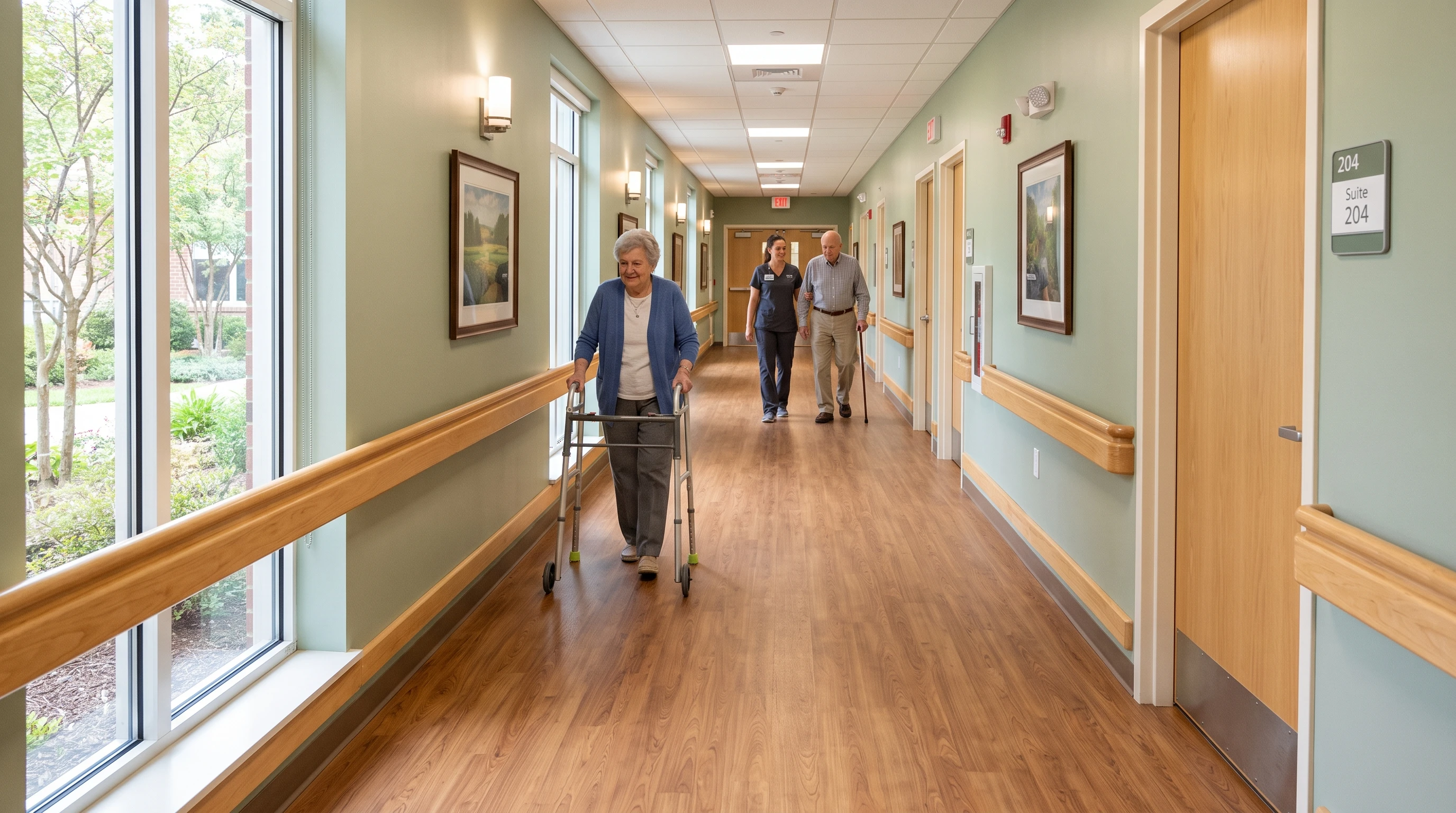
Understanding Nursing Home Fall Liability in South Carolina
Nursing home liability means figuring out who is responsible when a resident is injured due to a fall on the property. In South Carolina, these cases are handled with a close look at state regulations, clinical standards, and general legal principles related to negligence. Knowing the basics can help you make more informed decisions about care and possible legal actions if something goes wrong.
Nursing homes owe what’s called a “duty of care” to their residents. This means staff need to take reasonable steps to keep residents as safe as possible, including preventing common injuries like falls. If they fail to do this by ignoring hazards, skipping proper assessments, or not acting on known risks, they can be held responsible for resulting injuries. Accidents that result from a lack of attention or missing safety measures can become a legal issue if the standard of care isn’t met.
Key Elements of Fall Liability Standards in South Carolina
Facilities in South Carolina must follow both federal and state guidelines, as well as best practices for senior care. Here are the critical requirements facilities need to meet:
- Fall Risk Assessment: Each resident’s fall risk must be assessed at admission, after any incident, and at set intervals during their stay.
- Using Validated Assessment Tools: Nursing homes should use trusted tools that match their patient population, like the Minimum Data Set (MDS) in long-term care or fall-specific scales.
- Individualized Care Plans: Steps taken to lower falls must be chosen based on each resident’s needs and actual risk level, not just used across the board for everyone.
- Clear Communication Among Staff: Risk factors, fall history, and current care strategies need to be shared between all caregivers, across shifts and departments so everyone stays informed.
- Prompt Post-Fall Interventions: If a fall occurs, staff must investigate what happened and update the care plan immediately to address the issue and try to prevent a repeat fall.
Extra checkpoints, such as monthly audits or review of fall trends among residents, can reinforce these efforts. When staff actively look for changes in condition or mobility, the facility is more likely to catch early signs that someone needs extra support.
South Carolina Laws and Federal Regulations That Guide Liability
Nursing homes in this state need to follow rules set by the South Carolina Department of Health and Environmental Control (DHEC) as well as official Centers for Medicare & Medicaid Services (CMS). The CMS regulations at 42 CFR 483.25(d) state that facilities must offer care and supervision to keep residents from avoidable harm, including falls. South Carolina also uses case law and state statutes to set clear expectations for what counts as “reasonable care.” You can visit official resources like the South Carolina DHEC site for more information.
If a facility regularly skips these standards, or if there’s evidence of neglect or short staffing, they can face fines, loss of certification, and civil lawsuits from affected families. Regulators may review staffing levels, interview personnel, or audit past incident reports to verify compliance.
Fall Risk Assessments: Timing, Triggers, and Compliance
One of the most important parts of fall prevention is careful risk assessment. Staff should perform these checks not only when a resident first moves in, but also:
- On a regular schedule (for example, weekly or monthly, as required)
- Right after a fall
- Whenever a resident’s health or medications change
Missing even one of these checks can mean missing a new risk or failing to act on a change in condition, which can lead to preventable harm or further incidents. Families can ask about how often these assessments happen and what triggers an unscheduled review.
To make sure the assessments lead to actual protection, nursing homes must use clear tools adjusted to each patient’s needs. This might include using the MDS tool, the Morse Fall Scale, or another reliable option. It’s not enough to just check a box — every “high risk” note in the record should be backed up with a specific plan, such as making sure the resident always has their call light within reach or helping them get to the bathroom regularly (scheduled toileting).
Translating Risk into Action: Care Plans and Documentation
I’ve seen that cases where facilities fail often come down to a lack of follow-through after an assessment. Simply recognizing that someone is at high risk isn’t enough. Staff must actually change the day-to-day care the resident receives. Good care plans are very specific. They might say things like “transfer with two people only,” use a floor mat by the bed, set bed heights at low, provide hip protectors, or limit walking without supervision.
Documentation is crucial. Every intervention should be recorded, and any changes in the resident’s abilities or condition must lead to updates. If there’s a fall, a full investigation is expected. This usually involves a team review, sometimes called a “huddle” or root-cause analysis, to discuss what happened and how to prevent another similar event. Routine team meetings are also a useful way to confirm everyone stays updated. If team members look over documentation regularly, errors or missed interventions are less likely.
Role of Communication and Interdisciplinary Teams
Good communication prevents missed risks. In my experience, problems often come up when important notes are kept in nursing records and not shared. Facilities should have regular interdisciplinary meetings, which usually include nursing, therapy, medical staff, and sometimes housekeeping or dietary teams. When everyone is in the loop, fall prevention plans are more likely to stay current and effective.
Communication tools, such as shift report sheets, handoff protocols, and interdisciplinary care meetings, help confirm that all relevant staff are aware of a resident’s fall risk and any updates to their care plan. If family members attend care conferences or ask for regular updates, issues are more likely to be addressed before a fall happens.
What Families Should Know About Nursing Home Falls
If you’re worried about a loved one’s safety or if a fall has already happened, knowing what to look for in the records can help you advocate better. These are some useful questions to consider:
- Was a fall risk assessment completed at admission and after any changes?
- What interventions were put in place, and were they the right choice for your loved one’s needs?
- Was there a review or update to the care plan after a fall?
- Did staff discuss fall risk and care plans regularly?
- Were there signs of neglect, such as long wait times for help or recurring staffing shortages?
If the answers are unclear, keeping a written log of conversations and asking for the care plan or incident reports in writing can make it easier to get clarity on what was done and how your loved one is being protected.
Responding to a Fall: What Happens Next?
After a fall, the nursing home’s team should meet to talk through the details. They should consider why it happened and decide what changes are needed for the resident’s care plan. Does the resident need closer supervision? Could the room location or lighting be improved? Did their abilities change and require new equipment or support? Getting answers to these questions may prevent repeat incidents.
I always suggest families talk directly with the director of nursing or case manager to see exactly what steps are being taken after a fall. If there are doubts about whether proper follow-up was done, a formal complaint with DHEC or reaching out to an attorney who knows elder care can help keep the case moving forward.
Common Mistakes Facilities Make with Fall Liability
- Overlooking regular reassessment, especially after hospital stays or medication changes
- Not addressing a known risk or sticking with generic actions that aren’t effective
- Poor documentation of what was done for prevention
- Ignoring the need for team communication and timely updates
- Failing to investigate falls with a structured review process
Spotting these patterns can help families know when a liability issue might exist and give them the right information to ask further questions.
Extra Tips for Families in South Carolina
I find it helpful to keep a personal record of visits, chats with staff, and any incidents. Not only does this keep you organized, but it also gives you important details if you need to check in with a lawyer or file a complaint. South Carolina has resources through the Long-Term Care Ombudsman and DHEC, which can step in to review your situation and provide guidance. You can track down more information at the Long-Term Care Ombudsman page.
Frequently Asked Questions
Question: What should I look for in a nursing home to reduce fall risks?
Answer: Choose a facility that has secure handrails, plenty of lighting, easy-to-reach call buttons, and staff who are trained in fall prevention. Ask about their fall risk assessment process and how often those checks are done.
Question: How can I know if the nursing home is following proper fall prevention protocols?
Answer: Ask to see copies of your loved one’s care plan and fall risk assessments. Staff should be happy to talk through interventions and updates made after any incidents.
Question: What steps can I take if my loved one falls in a nursing home?
Answer: Request a detailed report of what happened and what steps are being taken to prevent more falls. You can also contact South Carolina’s DHEC or a legal professional if you believe your concerns aren’t being addressed.
Final Thoughts on Fall Liability in South Carolina Nursing Homes
Facilities in South Carolina are expected to prevent falls with proactive assessments, customized care plans, and open communication. If these key elements are not in place and someone is hurt, it’s completely reasonable to look into it further. Careful review of records and honest talks with facility staff give families a boost as they advocate for safer care and decide how best to protect their loved ones. Staying informed and speaking up can make a real difference in nursing home safety.