Deposition plays a big role across different fields, from geology to legal proceedings. Whenever I hear the word, I know it refers to something being laid down or settled, whether that’s sediments forming new layers on the earth or witnesses giving statements for a lawsuit. In this article, I’ll break down what deposition means, why it matters in various contexts, and how you might spot it in everyday life in ways you may not expect.
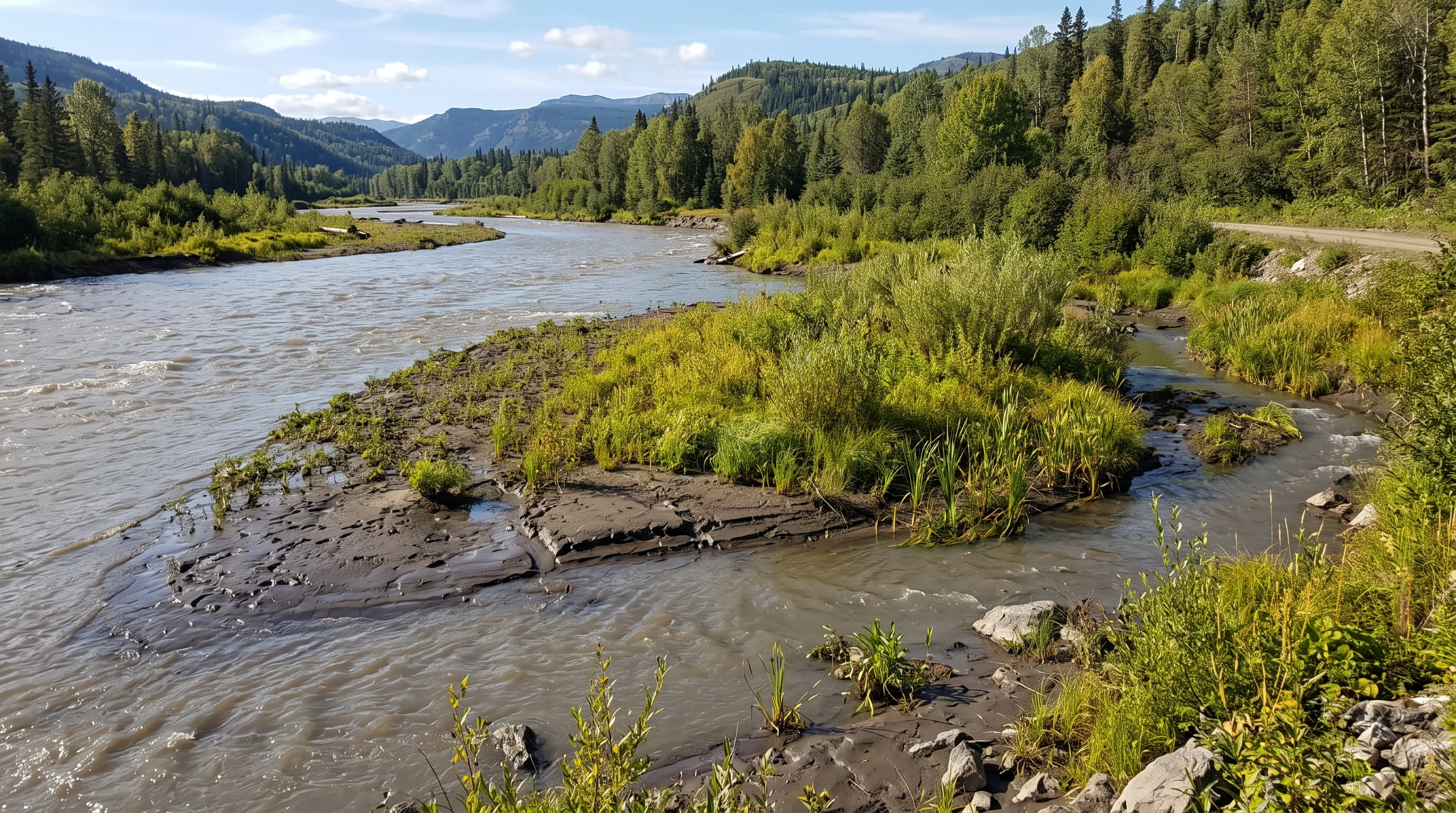
Understanding Deposition: What It Means
Deposition is the process where material is added to a landform or landmass. In science, it most often refers to the way soil, sand, and rocks get placed somewhere new after being carried by wind, water, or ice. If you’ve ever noticed a pile of sand at the end of a stream, you’re already familiar with deposition, just on a small scale.
In legal settings, deposition takes on a different meaning. Here, it refers to sworn statements made outside a courtroom. Lawyers and judges use these statements to clarify facts, prepare for trial, and sometimes settle disputes before they even make it to court. I find both meanings have the same core idea—taking something from one place and putting it somewhere important.
Main Ways Deposition Happens in Nature
Deposition can occur in several natural settings. Understanding how it works in the environment helps me appreciate how landscapes get shaped over time.
- River Deposition: Rivers carry loads of rocks and dirt. When rivers slow down, especially at bends or where they enter lakes and oceans, they drop their loads. This creates deltas and new landforms.
- Wind Deposition: Wind picks up fine particles like dust and sand, carrying them over long distances before settling them down. Sand dunes in deserts are built this way.
- Glacial Deposition: As glaciers move, they gather rock debris. When they melt, they leave these behind, sometimes forming rolling hills called moraines.
- Coastal Deposition: Waves drop off materials like sand and pebbles along the shoreline. This can create new beaches or even protective barriers called spits.
Each process creates a different shape or feature on the land. For example, many farming areas are found on river floodplains, which are incredibly fertile thanks to materials deposited by rivers over thousands of years. The constant laying down of new soil not only makes these areas great for crops, but also supports a wide variety of plants, animals, and insects that all benefit from the richness.
Deposition in Everyday Life
Even if you don’t study science, deposition affects your routine more than you might think. I see it when dust layers settle on my furniture, leaves gather in corners of my yard, or road salt piles up after a snowstorm. Here’s how you might spot deposition in action:
- Construction Sites: Soil and gravel are moved and placed to create foundations for new buildings. Engineers often look at old deposition layers to decide where it’s safe to build.
- Winter Streets: When snowplows clear the roads, chunks of snow pile up at the curbside. Over a few days, new layers build up, then slowly melt away. This is a clear sign of substances being moved and deposited again and again.
- Gardening: Leaves and mulch settle over garden beds, slowly breaking down and changing the soil’s makeup. Over time, this process improves soil quality and fertility, creating better conditions for plants to thrive.
Noticing these everyday changes helps me see the science happening all around me, making the concept of deposition more relatable and practical. It’s fascinating to think that such a scientific process quietly shapes everything from my garden to the sidewalks I walk each day.
Deposition in the Legal World
Outside of earth science, deposition is a key part of lawsuits and other legal matters. If you’ve ever been involved in a civil case, you might have experienced a deposition yourself. Here’s how it works in the law:
- What Is a Deposition? It is an interview conducted under oath, away from the courtroom. A court reporter records everything, sometimes even making a video.
- Purpose: Depositions keep everyone honest, help lawyers gather facts, and reveal how strong or weak a case is. They also lock in answers, so no one can change their story later.
- Preparation: I prepare for a deposition by reviewing key facts, practicing answers with my attorney, and going through documents that might come up.
- During the Deposition: The lawyer will ask broad and specific questions. Answers must be truthful, since they can be used in court later on.
Legal depositions can be stressful, but knowing what to expect helps reduce anxiety. Staying calm and answering directly are my main strategies for handling them well. In my experience, practicing beforehand and understanding the process bring a sense of control that makes the actual process far less intimidating.
Benefits and Challenges of Deposition
Both in nature and in the law, deposition brings benefits and presents some headaches. Understanding these makes dealing with deposition, or appreciating its value, a lot more practical.
Environmental Effects
- Benefit: Deposition creates fertile land, supports new habitats, and can protect shorelines from erosion. For example, deltas are prime spots for farming and wildlife. The buildup of soil and organic material helps maintain healthy ecosystems in river valleys and wetland areas.
- Challenge: Sometimes, too much sediment piles up where it shouldn’t, clogging rivers or flooding areas after heavy storms. Managing runoff and keeping rivers clear is a constant job in many towns. In some cases, communities have to step up erosion control efforts to avoid the negative impacts of excess buildup.
Legal Impact
- Benefit: Depositions clarify the facts before a trial. They help judges and juries get a better sense of what happened, reducing surprises at trial. When everyone has access to the same information early, it saves time, money, and stress for all parties involved.
- Challenge: The process can be lengthy, with months of prep and hours of answering questions. Mistakes or unclear answers can affect the outcome of a whole case. This often puts pressure on individuals to stay sharp, pay attention to details, and work closely with their legal teams.
Key Tips for Dealing with Deposition
I’ve found a few guidelines really help when it comes to dealing with deposition, whether you’re studying natural processes or giving testimony in a legal setting:
- Stay Organized: In legal settings, keep a folder of all key documents. In field studies, take detailed notes and photos of deposition features. Organization makes it easy to find specific information quickly.
- Understand the Process: Whether you’re looking at physical layers or legal testimony, knowing the sequence of events helps you make better decisions.
- Ask Questions: If I’m unsure about anything, I ask a lawyer, a teacher, or an expert. Getting clear guidance matters, especially when mistakes could have lasting effects. Taking the time to clarify uncertain points can head off larger problems and confusion.
- Stay Calm: In depositions, anxiety can creep in. Taking deep breaths, pausing before answering, and keeping focused works for me every time.
Practical tips like these make a stressful process feel more manageable and help me avoid simple errors, whether handling soil samples or giving sworn answers about what happened in a particular incident. Building these habits over time pays off in better outcomes, both scientifically and legally.
Real World Examples of Deposition
Deposition isn’t just a theoretical concept. Here are a few places I’ve seen deposition making a difference:
- The Mississippi Delta: For centuries, the Mississippi River has dropped soil at its mouth, building up rich farmland that feeds millions. The ongoing process shows how new land can emerge and support entire economies.
- Legal Discovery in a Car Accident Case: I once witnessed a deposition where the sequence of impact described by the witness lined up exactly with the physical evidence on both vehicles. This detail greatly influenced the final insurance settlement and showed how essential accurate statements are to a fair result.
- Beach Formation Along the Atlantic Coast: Waves carry sand up and down the shoreline, building new sections of beach after stormy seasons. Towns depend on this process to maintain tourism and prevent erosion. Beaches can change shape drastically over a single year, transforming the local environment and creating new challenges or opportunities for residents and officials.
These examples show how understanding deposition has very practical applications, from managing farmland and beaches to making smart legal decisions. Staying aware of how deposition works can lead to better solutions when challenges arise. It can also add a layer of appreciation for the changes taking place in the environment around you.
Frequently Asked Questions
Here are a few questions I often get when explaining deposition to others:
Question: Can deposition happen quickly or does it always take a long time?
Answer: Deposition can be fast or slow. For example, a mudslide lays down new soil in minutes, while a river delta grows over thousands of years.
Question: How is deposition different from erosion?
Answer: Erosion moves materials away, while deposition is when those materials come to rest in a new spot. They often happen together. Erosion first, then deposition.
Question: Is a legal deposition the same as a trial testimony?
Answer: Not exactly. A deposition is a pre-trial interview, usually in a lawyer’s office, while trial testimony happens in court in front of a judge and jury. Both are given under oath, but trial testimony is part of the official court record.
Takeaways on Deposition
Understanding deposition affects how I see the world, whether I’m looking at a landscape, working on a legal matter, or simply cleaning my house. Being aware of this process makes me pay more attention to changes, helps me prepare better for formal situations, and gives me the confidence to handle questions or issues that come up around this concept. From shaping coastlines to shaping the outcome of lawsuits, deposition is everywhere, and learning how it works can make a big difference.