Learning how duty, breach of duty, causation, and damages work can help clear up a lot of confusion when it comes to legal claims, especially in negligence cases. These four parts usually form the basis for deciding if someone is liable for harm or injury. I’ve spent time digging into these concepts while working with clients and law professionals, so I want to break them down in an easy-to-understand way here.
What Do Duty, Breach, Causation, and Damages Even Mean?
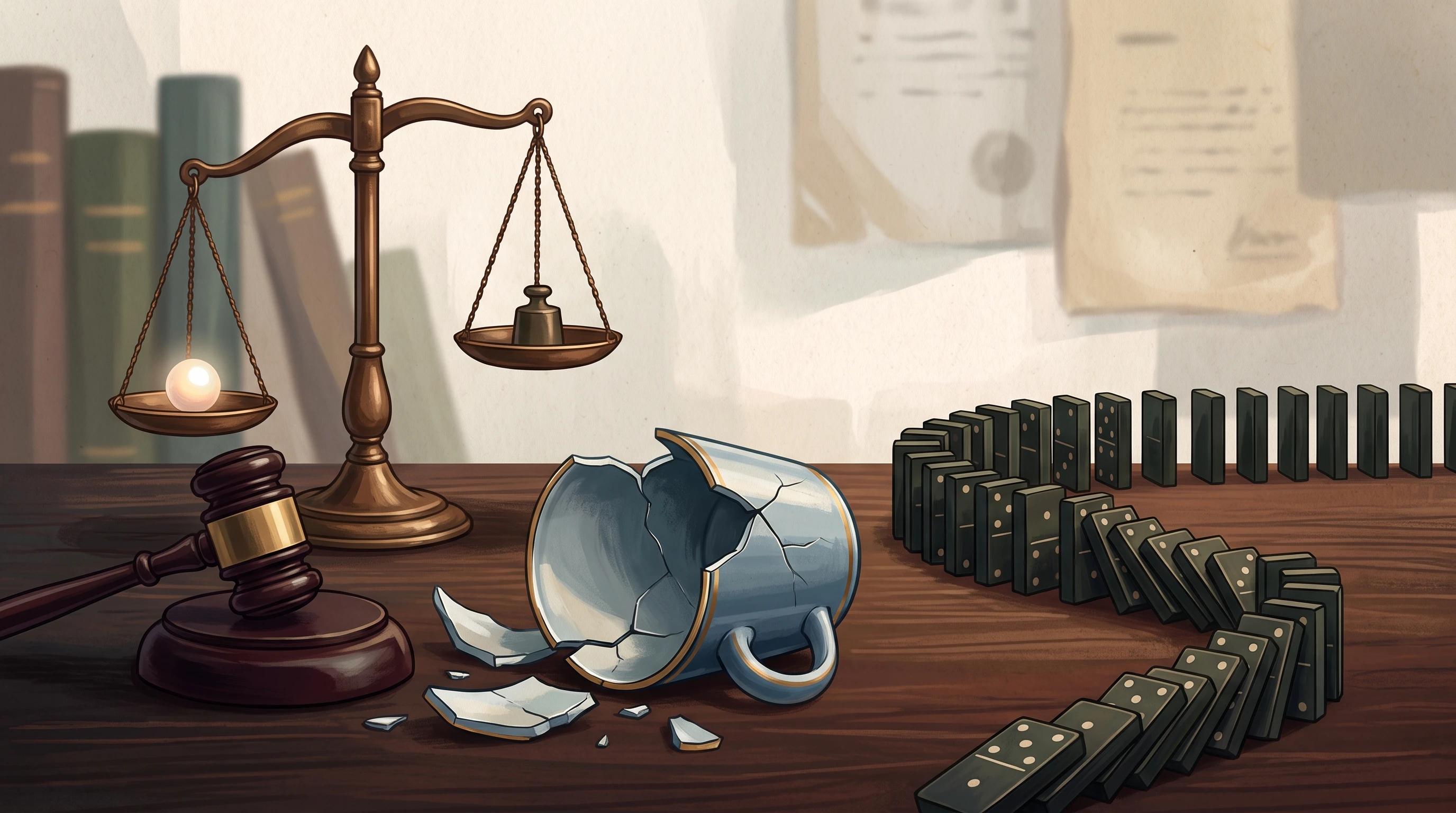
These four steps are at the heart of most negligence cases, which pop up everywhere from car accidents to slip-and-fall injuries. To win a negligence claim, the party bringing the claim—the plaintiff—has to show that all four existed and played a role in their harm. Missing just one can mean the case doesn’t go far. Here’s my quick take on each part:
- Duty: The responsibility to act a certain way toward others, such as driving safely or maintaining your property.
- Breach of Duty: When someone fails to meet that responsibility, for example, speeding through a red light.
- Causation: There has to be a direct link between breaking that duty and the harm suffered. If someone ran a red light but didn’t hit anyone, causation isn’t there.
- Damages: The actual harm or loss, like medical bills, lost wages, or property damage.
Getting comfortable with these four steps helps lay the groundwork for understanding personal injury claims and other legal disputes.
Digging Deeper: What Is Legal Duty?
Legal duty is basically about what society expects from everyone when it comes to keeping others out of harm’s way. In the law, a duty can be as simple as not texting while driving or regularly checking a sidewalk for ice in winter.
Certain roles or relationships come with clear responsibilities. For instance, store owners are usually expected to keep floors clear of hazards, while doctors have to follow medical standards with every patient. When someone ignores these expectations, they could be opening the door to legal trouble if their actions hurt someone else.
If you’re ever unsure if a duty exists in a situation, looking at what a “reasonable person” would do really helps. That reasonable person standard is the legal yardstick: if most people would avoid an action or take certain precautions, failing to do so could mean a breach of duty. Legal duties can even change depending on context—property owners owe differing levels of care depending on whether someone is a customer or simply a passerby. Everyday situations like shoveling a snowy walkway for mail carriers show how duty adapts in real life.
How Does Someone Actually Breach a Duty?
Breach of duty is basically failing to live up to those responsibilities. Maybe a business owner skips routine maintenance and a loose step causes someone to fall. Or, a driver ignores a stop sign. The details matter.
Breach typically comes down to whether someone acted (or didn’t act) in a way that was careless given the circumstances. This doesn’t mean every accident leads to a breach, though; accidents do happen even to careful people. Courts look at what was reasonable under the circumstances and may consider things like:
- Foreseeability: Was the risk obvious enough that someone should have thought about it?
- Preventative steps: Did the person make reasonable efforts to fix or warn about the risk?
- Common sense: Would others in the same situation have done something different?
As a practical tip, documenting your actions and efforts (like maintenance logs or warning signs) is really helpful if you’re trying to show you met your duty. This type of documentation not only makes it easy to prove your case, it can help with insurance claims and keep you out of disputes before they start. Many businesses also use regular safety checklists for that very reason.
Causation: Linking the Breach to the Harm
It’s not enough that someone did something wrong; their action (or inaction) also has to be the reason for the harm. Causation in the legal world usually boils down to two questions: was there cause in fact, and was it close enough to the breach (sometimes called proximate cause)?
- Cause in fact: Did the breach actually cause the injury? If the harm would have happened anyway, say, someone trips because they weren’t paying attention even if the walkway was perfect, the breach didn’t actually do it.
- Proximate cause: Was the harm a predictable result of the action? If something totally unexpected happens, like a building collapses hours after someone leans on a loose railing, there might not be legal causation there.
Sometimes these questions get tricky. I’ve seen cases where several things went wrong at once and courts had to sort out which actions were closely connected to the injury and which were just coincidences. For example, if someone is injured in a multi-car pileup, each driver’s actions are looked at to see who actually caused what part of the accident. In some cases, even experts disagree, showing why evidence like surveillance video, professional opinions, and reliable witness statements are so valuable.
Damages: Showing Actual Loss
Damages means the real-world impact, like losing money, suffering an injury, or needing to repair something broken. Courts usually want to see proof, not just complaints. Some classic types of damages you might see include:
- Medical expenses: Bills for treatment, rehab, or medication.
- Lost income: Paychecks missed because you couldn’t work.
- Property damage: Repairing your car after a crash, for example.
- Pain and suffering: This covers not just physical pain but the mental stress that comes with it. Pain and suffering can sometimes be harder to measure, and may require statements from medical professionals or diaries chronicling your experience.
Collecting and organizing receipts, estimates, and statements makes a big difference if you end up needing to prove your losses. It’s also smart to track down photos, medical records, and communication with insurance companies to give your claim the best shot at a quick resolution. Staying organized with a simple folder (digital or paper) can pay off in both time and peace of mind down the road.
Common Hurdles in Proving Negligence and Making a Claim
Plenty of claims get held up or dismissed entirely because one or more of the four parts don’t get properly shown. Over the years, I’ve noticed a few repeating challenges:
- Duty isn’t always clear: Some situations are borderline, so research and sometimes expert help from a lawyer can clear things up.
- Multiple causes: Accidents can have several causes, making it hard to pin liability on just one person or act.
- No real damages: Even if someone acted carelessly, if there’s no actual loss, a case probably won’t go anywhere.
Careful research helps people make informed decisions, and working with an attorney can sort out complicated issues, especially in tough cases or where lots of people are involved.
Another hurdle is proving the timeline or gathering enough evidence. Memories fade, security footage gets erased, and sometimes eyewitnesses are hard to find. That’s why acting quickly and keeping your own notes and records from the moment an incident occurs is so important.
Real Life Examples: How These Elements Show Up
- Slip and fall at a grocery store: The store has a duty to keep aisles clear. If a puddle isn’t cleaned up after an hour and someone falls, there’s likely a breach. If a bruise or broken bone results, and it’s clear it wouldn’t have happened without the fall, that’s causation and damages.
- Texting driver hits a pedestrian: Drivers have a duty to pay attention. Ignoring the road is a breach. Hitting someone shows causation, and the hospital bills stand in for damages.
- Unpredictable event: If lightning strikes cause a power outage and food spoils in a restaurant, it’s hard to blame the staff if they reacted reasonably.
Looking at these real life scenarios helps connect the dots between legal rules and what happens in everyday life. Realizing how often these elements come into play can help you spot potential risks before they cause bigger problems.
Frequently Asked Questions
How do I know if a duty exists?
Think about what a careful person would do in the situation. If most people in that role would act a certain way, there’s probably a duty.
Can I have a case if the damages are small?
You can, but the cost of going to court might outweigh the recovery. Sometimes small claims courts or informal settlements work better for minor losses.
Is proof of causation always needed?
Yes, you have to connect the breach to your harm. Testimony, video evidence, and expert opinions often help fill in any gaps.
Do all accidents mean someone is legally responsible?
No, legal responsibility depends on whether all the elements—duty, breach, causation, damages—are present and proven.
Key Takeaways to Remember
Understanding duty, breach of duty, causation, and damages is of utmost importance when it comes to legal claims like negligence. It makes it easier to figure out if you have a claim or if someone else can hold you responsible for something that’s happened.
Staying organized, collecting evidence, and knowing your responsibilities help sort things out quickly and reduce the stress if a legal issue comes up.
Learning about these elements isn’t just helpful if you’re going to court. Knowing where you stand on these points helps with day-to-day decisions and offers solid peace of mind in all kinds of situations, from running a business to just driving your car to work. Keeping an eye out for potential hazards in your everyday life not only protects you but can also prevent harm—and legal headaches—for others, creating a safer community for everyone.
Want to read more Nurse Becca Blogs? (Internal Links)