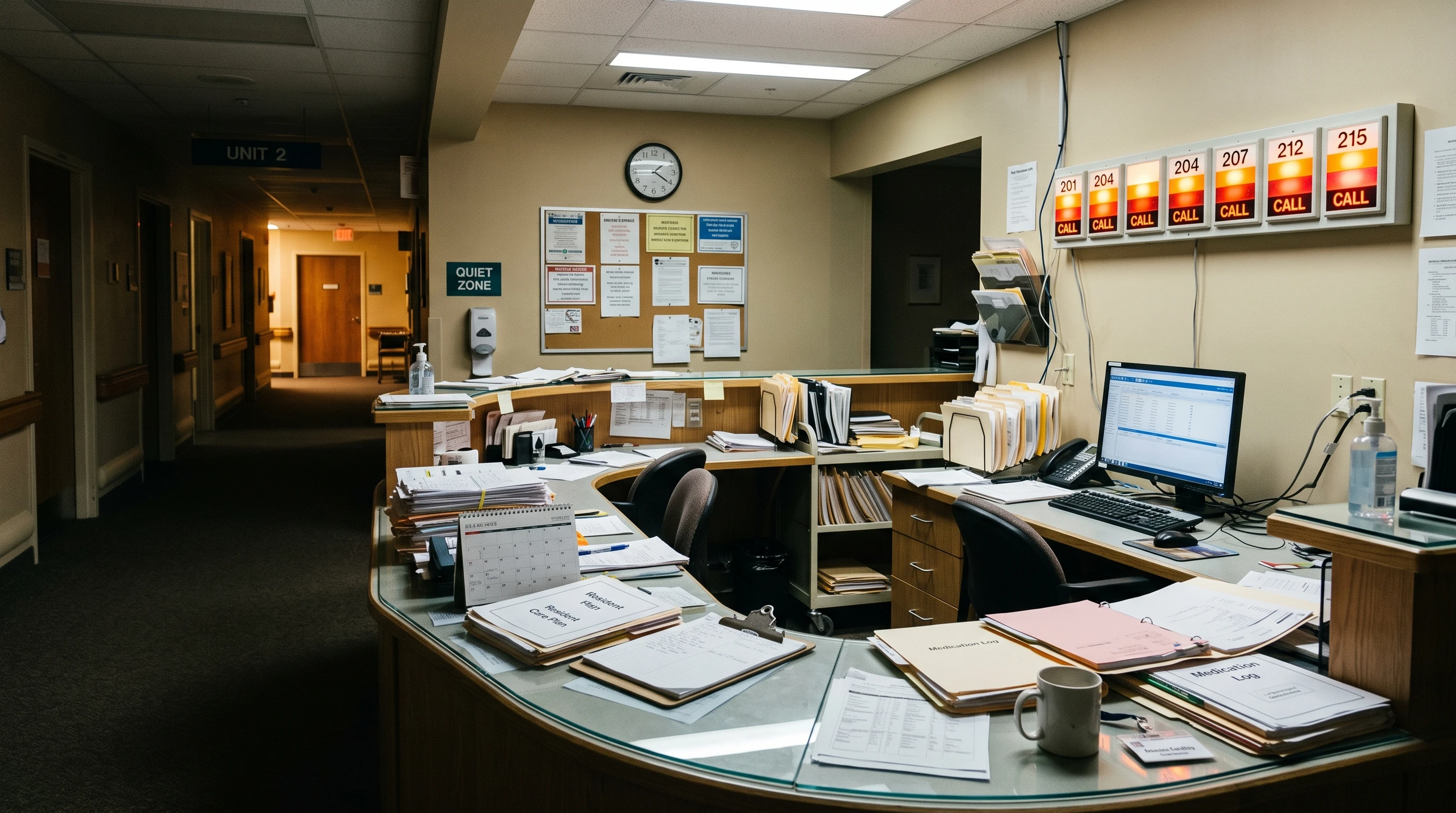
 Nursing homes are meant to be safe places where older adults get the care and support they need. But when facilities don’t have enough staff, things can go wrong pretty quickly. Understaffing not only puts a strain on the people working there, it also leads to corners being cut, and, unfortunately, some residents just not getting the attention or help they deserve.
Maybe you’ve noticed loved ones seem withdrawn, missed medications, or you hear stories about meals being rushed. That’s not just bad luck or an isolated slip-up; it’s often a sign that the building is short on hands. If something feels off, you’re not alone in noticing it. Wanting answers and proof is completely understandable, especially if you need to address the issue or even make a case about neglect.
This guide covers how not having enough staff leads to neglect in nursing homes, signs to look for, and how you can use records to get real evidence. By understanding what’s happening behind the scenes, you can spot red flags and confidently take steps to help someone who isn’t getting the care they need.
How Understaffing Causes Nursing Home Neglect
Understaffing at a nursing home might not sound like a big deal at first, but it’s honestly one of the biggest problems affecting care today. When there aren’t enough nurses or aides on a shift, resident needs are put on the back burner. Even well-meaning staff can’t keep up; there just aren’t enough hours in the day.
What Does Understaffing Look Like?
- Too few people working during busy times, like the morning rush or overnight shifts.
- Staff being asked to care for way more residents than is reasonable, sometimes 15-20 or even more per person.
- High turnover, with new faces all the time and nobody really getting to know the residents.
- Frequent call outs where shifts go uncovered due to illness, burnout, or folks quitting.
How It Leads to Neglect
- Missed basic care: Things like helping with bathroom trips, bathing, and turning residents to prevent bedsores might not happen as often as needed.
- Medication mix-ups: Rushed or distracted staff can easily make errors with meds or forget doses.
- Loneliness and isolation: Staff don’t have time for conversation and emotional support, so residents are left alone more.
- Slow response to emergencies: Medical issues or falls might go unnoticed for too long, making things worse.
When care slips through the cracks often enough, serious harm can result. Bedsores, infections, dehydration, malnutrition, even falls, or sudden declines in health can occur. What’s worse, residents who can’t speak up for themselves are at a much higher risk.
Warning Signs of Neglect Caused by Understaffing
There are plenty of reasons a resident might not be doing well, but certain red flags point to neglect caused by not having enough staff. I’ve seen these crop up time and again, even in places that look decent on the surface.
Physical Clues
- Unexplained bruises, cuts, or injuries; especially those that appear more than once.
- Bedsores (pressure ulcers) that don’t heal or get worse instead of better.
- Frequent infections, like UTIs or respiratory problems.
- Weight loss, sunken eyes, or other signs of malnutrition or dehydration.
- Dirty clothing, unwashed hair, or strong odors around a resident’s body or bedding.
Emotional and Behavioral Signs
- Depression, withdrawal, or sudden changes in personality.
- Fearfulness around staff or reluctance to ask for help.
- Increased confusion or “zoning out,” which can sometimes be mistaken for dementia.
- Complaints that call lights or requests for help go unanswered, or that food and water aren’t being provided regularly.
Systemic and Environmental Signals
- Residents often waiting a long time for someone to respond when they ask for help.
- Meals brought late or skipped altogether.
- Overheard staff saying they’re short-handed, working overtime, or covering too many patients.
- Constant turnover, with staffing “help wanted” signs, or regular agency (temp/contract) workers instead of familiar faces.
If you spot more than one of these warning signs, especially alongside visible work stress or rushed staff, there’s a pretty good chance understaffing is at play.
Why It Happens: Root Causes of Nursing Home Understaffing
Plenty of factors make understaffing a problem to begin with, and they aren’t always obvious from the outside.
- Low pay and challenging working conditions make nursing home jobs hard to fill and keep filled.
- Management sometimes chooses to keep costs down rather than hiring enough people for quality care.
- In some states, legal staffing minimums are just recommendations, not enforced as strict rules.
- Constant scheduling changes, burnout, and a high-pressure environment drive people away.
I’ve heard plenty of stories from inside the industry where the same few staff are always staying late or getting called in just one more time. It adds up, not just for the employees, but for the residents relying on them.
Sometimes, state and federal funding for nursing homes simply doesn’t meet the mark for all expenses, which pushes facilities to cut back on staff. This only worsens the cycle, as overworked staff may leave, leading to shortages that pile up even more. Public awareness of these causes is growing as recent news stories and reports highlight the connection between tight budgets, staff shortages, and resident outcomes.
Connecting the Dots: Proving Neglect Through Records
Building a case that understaffing led to nursing home neglect isn’t just about what you see with your own eyes (though that’s a good start!). Records kept by the facility are super important when it comes to getting real answers or even taking legal action if that’s necessary.
Why Records Matter So Much
Nursing homes are legally required to keep detailed records of resident care, staffing, medications, and more. If neglect happens, it usually leaves a paper trail, or, these days, a digital one. Gathering and understanding these records is super helpful when you want to show a pattern and not just a single bad day.
Types of Records That Can Show Neglect
- Staffing logs and time sheets: Reveal how many staff actually worked each shift, plus their roles (RN, CNA, LPN, etc.).
- Resident care charts: Track things like baths, turning schedules, meal times, and bathroom assistance; if gaps show up, that’s a red flag.
- Medication administration records (MARs): Show if meds were given on time, missed, or mixed up.
- Incident reports: Document falls, injuries, and anything unexpected that happened to a resident, including staff response times.
- Visitor logs and call light data: Some homes log these, and they can help support claims that residents waited too long for help.
How to Request and Review These Records
- Ask in writing: Family members or legal representatives can usually request copies of care records. Putting the request in writing makes it more official.
- Know your rights: Facilities are required by law to give families access to these records, so don’t take “no” for an answer.
- Look for patterns: Check for regular gaps or irregularities, like only one bath recorded a week, or missed meds when staff was clearly stretched thin.
- Get expert help if needed: Sometimes, a nurse consultant, ombudsman, or elder law attorney can review records and spot problems regular folks might not notice right away.
Records can sometimes be overwhelming if you’re new to them, but focusing on dates, times, and what should have been done (versus what actually happened) helps break things down. Charts that show skipped care repeatedly, especially during shifts when the home is short-staffed, are prime evidence. Matching witness accounts with documentation also bolsters your case. Even seemingly insignificant paperwork, like staff log-in and log-out times, can reveal patterns of chronic undercoverage.
Technology is making some aspects of record review easier. Electronic records are easier to search and crosscheck. Still, keep in mind sometimes details can be missed or “filled in” after the fact, so try to verify with eyewitness accounts.
Real-World Examples: When Understaffing Caused Harm
Looking at actual situations where records proved neglect can show you how the process works in practice, and why keeping an eye on things is so important for families.
The Case of Unexplained Bedsores
In one case I followed, a nursing home resident developed several severe bedsores. Her care records only sporadically showed she’d been turned every two hours as required. Staffing logs, when matched up with her care chart, showed that overnight shifts went from four aides to just one, who had to care for almost twenty people. That made regular turns impossible. In the end, these records helped the family prove that lack of staff (not just bad luck) led to the wounds and a hospital stay.
I was able to help the attorney by providing a wound care table that showed missed dressing changes, as well as worsening wounds without notification to the doctor.
A Missed Medication Disaster
Another resident suffered multiple seizures when antiseizure medication was missed several times in one week. The medication admin record had blank spaces for doses that were supposed to be given on shortstaffed days. Once again, paired with employee schedules, this clearly pointed to staff being stretched way too thin to keep up.
States Recognizing the Problem
The Centers for Medicare & Medicaid Services (CMS) keeps public ratings for nursing homes, including staffing levels. Facilities with lower staffing get flagged, which is worth checking out if you’re concerned. Some states are now pushing for stronger staffing laws, but even then, the records are the best proof if something goes wrong.
In certain states, public investigations have shown how underresourced night shifts have led to preventable injuries and prolonged suffering. For example, in one widely reported incident, a resident fell and was not found for hours because only two people were on the whole floor. The resulting investigation not only supported the family’s concerns but led to fines and requirements for new hiring practices in that facility.
Common Questions About Understaffing and Neglect
How much staff is “enough” in a nursing home?
There’s no single magic number, but experts (and federal guidelines) suggest a minimum of 4.1 hours of direct care per resident per day. That usually means at least one nurse aide for every 8-12 residents during the day, and less at night. The right number really depends on the needs of each resident. More complex care means more staff is needed. It’s important to know that regulatory bodies may audit these numbers, so facilities often report their staff-to-resident ratios, but you should observe yourself to see if you think it feels right.
What should I do if I suspect neglect because of understaffing?
- Speak to the facility’s management and voice your concerns, calmly and specifically.
- Document everything, including dates, times, who you spoke to, and what you saw.
- Request a care plan review or ask to see staffing logs.
- If nothing changes, report your concerns to your state’s long-term care ombudsman or licensing board.
- In severe or emergency cases, contact Adult Protective Services or a lawyer who handles elder abuse.
Can you really use records in a legal case?
Yes, courts and state regulators rely heavily on these records when looking into neglect or abuse. Any gaps, inconsistencies, or missing documentation can be very telling and often make or break a case. It is not uncommon for legal proceedings to revolve around these paper or digital trails—so don’t overlook their importance.
What about nonmedical staff?
It’s not just nurses and aides that matter—cooks, cleaning crews, and activities staff are essential for residents’ well-being, too. When facilities are short across the board, everyone feels the impact. For instance, skipped activities or uncleaned rooms are valid complaints that should be raised, as they can signal neglect beyond direct care.
Taking Action: Steps to Address Understaffing and Protect Residents
- Stay involved: Regularly visit your loved one, and try to come at different times of day. You’ll get a fuller picture of how things run.
- Document and photograph: Keep notes, and snap pictures (but always respect privacy laws) of concerning signs. Written logs help build a case if needed.
- Build relationships with staff: Nurses and aides are often just as frustrated with understaffing. Friendly chats can get you insider info about ongoing issues.
- Request improvements: Have a sit-down with the administrator and care team. Be firm, and point to specific issues, referencing the records you have.
- Contact local resources: Your area’s long-term care ombudsman can investigate complaints and provide guidance with no cost. Their contact info should be publicly posted at the facility.
Families who stick with it—taking notes, building a paper trail, and asking direct questions—are often the ones who get results. Don’t assume a one-time promise to fix things is the end of the story. Check back and keep up the pressure until you see real change. Making connections with other families can also strengthen your voice if multiple residents are affected and can lead to faster improvements.
Quick Tips for Reviewing Nursing Home Records
- Look for missing entries, unexplained gaps, or identical entries repeated for days (can suggest records were “pencil whipped” after the fact).
- Match up times and dates from staffing logs with care records to spot holes in coverage.
- Compare actual documented activities with what’s written in the official care plan.
- If you spot a pattern of skipped care during known shortstaffed shifts, that’s a big indicator.
Don’t be afraid to ask for explanations. If answers seem vague or the facility gets defensive, that’s another sign something is off. Many times, repeated follow-ups are needed to get clear answers; persistence and politeness work well together for long-term success.
Final Thoughts & Next Steps
Nobody wants to imagine a family member being overlooked or mistreated in a place that’s supposed to keep them safe. Knowing how to spot the warning signs of neglect, understanding how understaffing plays a role, and making the most of care records can go a long way in getting answers and making things right.
Your Action Plan:
- Check for warning signs when you visit loved ones in care facilities.
- Ask for and review records if you notice a problem; don’t hesitate to get a professional’s help if needed.
- Document everything, from conversations to missed care or changes in resident appearance.
- Reach out to state agencies or ombudsmen for more support.
No one should be left ignored or at risk because there aren’t enough staff on hand. Staying informed and persistent helps keep nursing homes accountable and gives residents the dignity and care they deserve. It also empowers families to step up and make a real difference in their loved ones’ lives. If you ever feel overwhelmed, remember that local advocacy groups and legal aid organizations can support you along the way, whether you’re building a case or just trying to step up someone’s quality of care.